.png.avif)
China solar water pump manufacturer & supplier
Harness the sun’s power with BISON’s solar water pumps—engineered for efficiency, sustainability, and reliable performance. Ideal for irrigating remote farmland, watering livestock, or residential use, these pumps deliver consistent water flow without relying on grid electricity or fuel. Built with durable components and advanced solar technology, they perform even in challenging conditions. Experience dependable water access powered by nature with BISON. Looking for the best solar water pump? Explore high-efficiency models from China BISON, a trusted OEM. Contact us today for more information!

solar water pump
BISON use corrosion-resistant materials, premium-grade solar panels, and high-performance motors to build pumps that withstand harsh climates and deliver consistent output.

4 inches solar water pump kit
Durable 4-inch solar water pump kit, made in China. This kit is a complete kit

submersible deep well pump
BISON is a professional solar submersible deep well pump manufacturer, factory and manufacturing company based

2 inches off-grid garden solar pump
BISON 2 inches off-grid garden solar pump provides a reliable and environmentally friendly water supply

60-volt solar well pump
BISON 60-volt solar well pump is an efficient and sustainable solution for agricultural and irrigation

solar water pump kit with solar panels
This solar water pump kit with solar panel is manufactured by BISON, a solar water

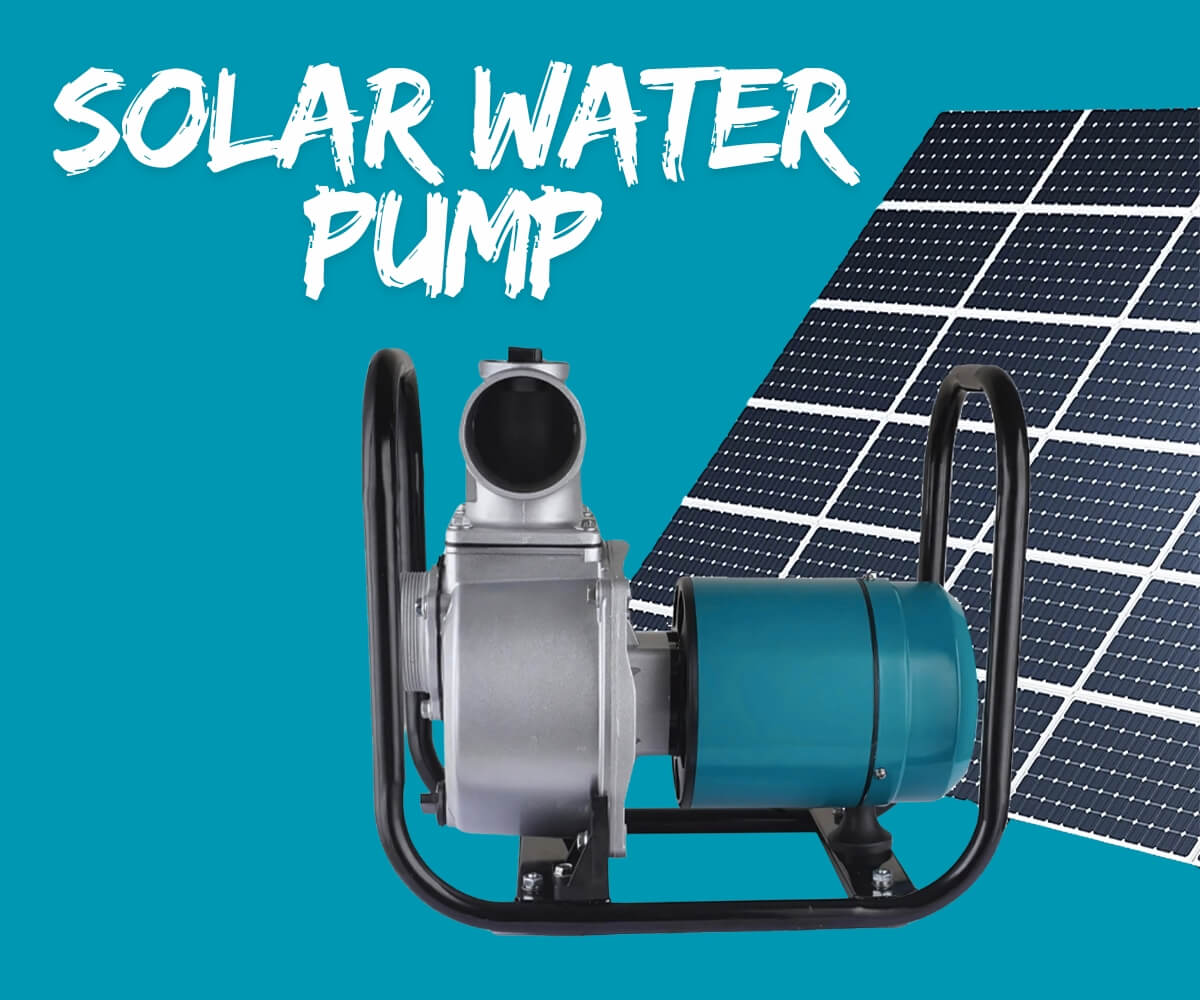
solar surface water pump for irrigation
BISON is a solar surface water pump manufacturer and factory with many years of production

3 inch 900w solar-powered water pump
BISON factory-produced reliable 3 inch 900 watt solar-powered water pump – high flow, environmentally friendly,
Start your Chinese solar water pump wholesale business from now on.
What makes us competitive?
Competitiveness of BISON solar water pump
Advanced technology and innovation
Our pumps integrate the latest solar technology, including MPPT (Maximum Power Point Tracking) controllers, brushless DC motors, and smart inverters, ensuring optimal performance and energy efficiency.
Customized solutions
BISON provides customized solutions to satisfy your specific water needs, whether you require an extensive irrigation system or a small pump for household usage.
Expert support and service
BISON’s dedicated team provides consultation, installation guidance, and after-sales support to ensure your solar pump system runs smoothly and efficiently.
Competitive pricing
We strive to make solar water pumping affordable without compromising quality, providing the best value and a fast return on investment.
What makes us competitive?
BISON solar generator comparison chart
| Model | Outlet Size | Power | Voltage | Max Flow | Max Head | Package Size | Gross Weight | ||
| MM/Inch | HP | Watts | V | M³/h | M | MM | KG | ||
| BS24-17-900W/96V | 50(2.0”) | 1.2 | 900 | 96-124 | 24 | 17 | 410*265*440 | 11 | |
| BS30-14-900W/96V | 80(3.0”) | 1.2 | 900 | 96-124 | 30 | 14 | 410*265*440 | 12 | |
| BS30IS | 80(3.0”) | 1.2 | 900 | 96-124 | 30 | 14 | 455*270*425 | 14 | |
| BS3TY2.5-50/10-750W/60V | 32(1.25”) | 0.75 | 550 | 60-84 | 4.8 | 48 | 1050*175*120 | 9.1 | |
| BS4TY4-67/14-1500W/110V | 50(2.0”) | 2 | 1500 | 110-164 | 6.5 | 116 | 1185*245*140 | 18.5 | |
| BS-SCPM21-16-72-750-LV | 50(2.0”) | 1 | 750 | 72 | 30 | 16 | 437*247*348 | 19 | |
| BS-SCPM45-17-110-1500-LV | 80(3.0”) | 2 | 1500 | 110 | 45 | 17 | 460*270*440 | 24 | |
| BS-SCPM60-27-280-2200-A/D | 80(3.0”) | 3 | 2200 | AC 80-280 | DC150-350 | 60 | 27 | 460*280*450 | 28 |
| BS-SCPM70-24-280-2200-A/D | 100(4.0”) | 3 | 2200 | AC 80-280 | DC150-350 | 70 | 24 | 454*280*500 | 31.5 |
| BS-3SC3.8-95-72-750-LV | 32(1.25”) | 1 | 750 | 72 | 3.8 | 95 | 1080*220*130 | 11 | |
| BS-3SC3.8-180-180-1500-A/D | 100(4.0”) | 2 | 1500 | AC 80-280 | DC150-350 | 3.8 | 180 | 1280*260*160 | 14 |
| BS-3SC6-85-150-1100-A/D | 40(1.5”) | 1.5 | 1100 | AC 80-280 | DC150-350 | 6 | 85 | 1020*260*160 | 12 |
| BS-4SC7-56-72-750-LV | 80(3.0”) | 1 | 750 | 72 | 7 | 56 | 850*220*130 | 11 | |
| BS-4SC7-135-110-1500-LV | 100(4.0”) | 2 | 1500 | 110 | 7 | 135 | 1070*220*130 | 13 | |
| BS-4SC18-112-300-3000-A/D | 40(1.5”) | 4 | 3000 | AC 80-280 | DC 300-350 | 18 | 112 | 1210*250*150 | 16 |
Contact us and start your solar water pump bussiness with your own logo & design
How to install a solar water pump system?
Installing a solar water pump is straightforward with proper planning. Here’s a simple step-by-step guide:
- #1. Site selection: Choose a location that receives strong, direct sunlight and has easy access to your water source (well, river, pond, or tank). Good sun exposure ensures optimal system performance.
- #2. Mount the solar panels: Install the panels on a sturdy frame, facing the direction with the most sunlight (usually south in the Northern Hemisphere). Tilt them at the correct angle and secure them well to withstand wind and weather.
- #3. Install the pump and plumbing: Position the pump correctly—below ground for submersible types, or above ground for surface pumps. Connect all pipes or hoses securely to prevent leaks, and ensure the setup is stable and safe.
- #4. Connect the electrical system: Link the solar panels, controller, and pump. If you’re using an AC pump, connect an inverter to convert solar power. It’s best to consult a technician for safe and accurate wiring.
How to take care of a solar water pump system
Proper maintenance helps your solar water pump work efficiently and last longer. Regular cleaning, inspections, and protection from weather can prevent issues and reduce repair costs. Here’s a simple guide:
- #1. Clean the solar panels: Keep panels free of dust, dirt, and bird droppings to maintain high energy output. Clean them monthly—or more often in dusty areas—using a soft cloth and water. Avoid abrasive tools or chemicals that can damage the surface.
- #2. Inspect electrical connections: Check wiring between the panels, controller, and pump for loose, corroded, or damaged parts. Secure all connections and protect cables with conduits or enclosures. Use a multimeter to test voltage if performance drops.
- #3. Check pump and motor condition: Look for signs of wear, unusual noise, or weak water flow. Submersible pumps should be clear of sediment, while surface pumps should be leak-free and aligned properly. Lubricate moving parts if recommended by the manufacturer.
- #4. monitor water flow and pressure: Keep an eye on flow rate and pressure to detect problems early. Drops may signal blockages, pump wear, or power issues. Regular checks help prevent major breakdowns.
- #5. protect against weather and environment: Secure solar panels to withstand strong winds or storms. Shield the pump and controls from heat, flooding, animals, and freezing conditions. Seasonal protection can extend system life.
- #6. schedule professional servicing: While most maintenance is simple, periodic professional inspections can catch hidden issues and ensure optimal performance. Technicians can also perform tasks requiring special tools or skills.
- #7. keep a maintenance log: Record all inspections, cleanings, and repairs. This helps track the system’s condition over time, supports warranty claims, and ensures maintenance is consistent.
How do solar water pumps work?
A solar water pump uses sunlight to generate energy and move water—offering a fuel-free, grid-free solution for water supply.
Here’s a step-by-step breakdown:
1. Collecting sunlight: Solar panels capture sunlight during the day.
2. Generating electricity: The panels convert sunlight into direct current (DC) electricity.
3. Powering the pump: This electricity powers the water pump, allowing it to draw water from a source like a well, river, or tank.
4. Converting power (if needed): If the pump requires alternating current (AC), an inverter changes the DC power into AC.
5. Moving water: The pump pushes water through pipes or hoses to its destination—such as a storage tank, irrigation system, or household supply.
In short, solar water pumps turn sunlight into clean energy to move water efficiently, with no fuel costs, pollution, or reliance on the power grid.
solar water pump buying guide
Solar water pumps are growing in popularity as a smart, sustainable solution. Farmers use them to irrigate crops without fuel costs, and rural communities rely on them for clean water where electricity isn’t available. As the world embraces greener technology, solar pumps stand out as an efficient alternative.
This article explains how solar water pumps work, their benefits, types, and how to install and maintain them. Whether you’re a farmer, business owner, or simply interested in solar solutions, this guide will show you why solar pumps are a reliable choice for the future.
What is a solar water pump?
A solar water pump is a device that uses energy from the sun to move water from sources like wells, rivers, ponds, or tanks to where it’s needed. It operates using photovoltaic (PV) panels that convert sunlight into electricity to power an electric motor, eliminating the need for fuel or grid power.
These pumps can be surface types for shallow sources or submersible models for deep wells. Available in various sizes and capacities, solar water pumps are ideal for both domestic use and large-scale agricultural irrigation, especially in remote or off-grid areas.
Main components of a solar water pump system
A solar water pump system includes several key parts that work together to move water using sunlight. Here’s a simple overview:
- Solar panels (power source): These panels capture sunlight and convert it into electricity to power the system. Without them, the pump wouldn’t run.
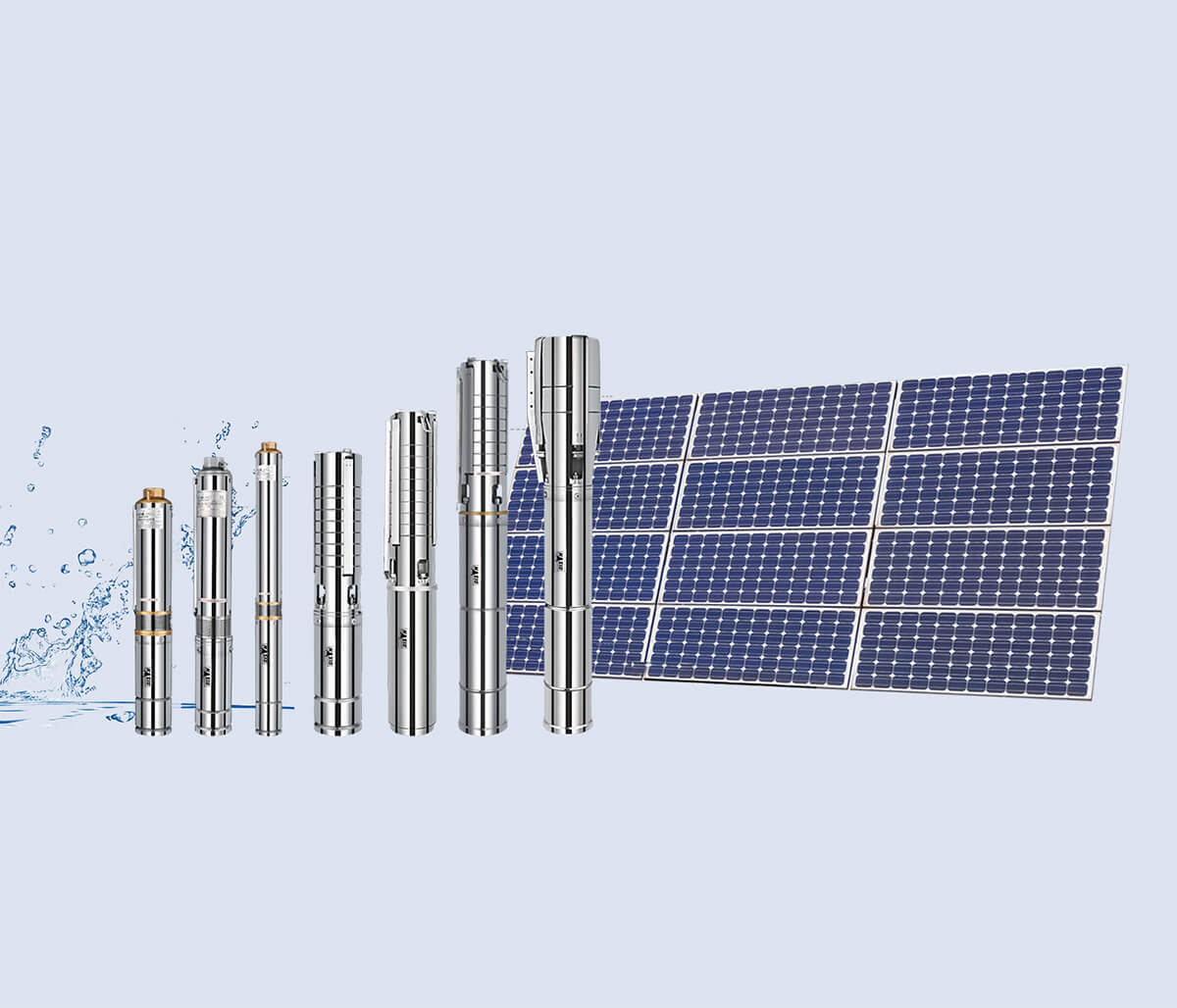
- Water pump (moves the water): The pump draws water from a source like a well, river, or tank. Submersible pumps work underwater in deep wells, while surface pumps are used for shallow sources.
- Controller (manages power): The controller regulates electricity flow to the pump, protects against damage (like overheating or dry running), and ensures safe operation.
- Pipes or hoses: Direct the water to where it’s needed.
- Storage tank: Stores pumped water for later use.
- Wiring and cables: Connect components and carry electricity.
- Sensors: Monitor water levels or pressure for better efficiency and safety.
Together, these components form a reliable system that pumps water efficiently using solar energy—no fuel, no pollution, and no reliance on grid power.
Types of solar water pumps
Solar water pumps are categorized based on where they are installed and the type of motor they use. Here’s a simple breakdown:
1. By placement
- Submersible pumps: Installed below the water surface, typically in deep wells. These pumps are ideal for drawing water from deep underground and staying cool while operating underwater.
- Surface pumps: Placed above ground to pull water from shallow sources like ponds, rivers, or tanks. Easier to install, they work best when the water source is close to the surface.
2. By motor type
- DC Pumps (direct current): Powered directly by solar panels without needing an inverter. They’re simple, cost-effective, and ideal for small-scale applications like homes or small farms.
- AC Pumps (alternating current): These require an inverter to convert solar energy from DC to AC. AC pumps are more powerful and suited for larger farms, deep wells, or community water supply systems. Though they cost more, they handle higher workloads.
Each type serves different needs. The right pump depends on water depth, how much water you need, and the size of the system.
Benefits of solar water pumps
Solar-powered water pumps offer many advantages over traditional systems that rely on grid electricity or fuel. These benefits make them a smart choice for agriculture, livestock, rural communities, and industrial use—especially in off-grid or remote areas.
1. Cost Savings
One of the biggest benefits is reduced long-term costs. Though the upfront investment may be higher, the savings on energy and upkeep make them highly cost-effective in the long run. Cost breakdown:
- Initial investment: The setup cost includes solar panels, a pump unit, controllers, wiring, and installation. If storage batteries are needed, they add to the cost. Prices vary depending on pump capacity, solar panel type, and site conditions like water depth and required flow rate. It’s important to match the pump to your water source depth, usage needs, and flow rate requirements.
- Operating costs: Once installed, solar pumps operate at almost zero ongoing energy cost. They use free sunlight and require no fuel or electricity, making them much cheaper to run than diesel or electric pumps. Solar pumps operate best in direct sunlight. But the performance may drop on cloudy days, during rainy seasons, or in winter.
- Maintenance and replacement: Maintenance is minimal—mainly cleaning panels and checking connections. Solar panels last 20–25 years, while pump parts may need replacement every 5–10 years depending on usage. These lower maintenance demands contribute to long-term affordability.
2. Energy independence
They work in areas without access to grid electricity, offering a reliable solution for remote farms, rural villages, and off-grid locations. Solar pumps reduce dependence on fuel supply chains or unstable power grids.
3. Easy installation
Solar water pump systems are modular and easy to set up. They’re portable and can be relocated or deployed quickly for seasonal use or emergencies—making them a convenient option for temporary projects or disaster relief.
4.. Eco-friendly
Solar water pumps use clean, renewable energy and produce no harmful emissions. Unlike diesel or gasoline-powered pumps, they don’t release greenhouse gases or pollutants. By reducing carbon output, solar pumps support global climate goals, environmentally responsible water use, and compliance with modern sustainability standards.
5. Reliable and independent operation
Solar pumps work independently of the power grid, making them ideal for remote or off-grid areas. They provide a consistent water supply during daylight hours—even during power outages or fuel shortages. This energy independence shields users from rising fuel prices and unreliable electricity, ensuring a dependable and self-sufficient water solution.
6. Scalability and flexibility
Solar pump systems come in various sizes and capacities to suit everything from household needs to large-scale irrigation. They can be customized based on water source, local climate, and budget, making them a versatile option for many applications—from farms to community water supply systems.
7. Quiet operation
Solar pumps run silently, unlike noisy fuel-powered pumps. This makes them ideal for residential areas, farms, and community spaces where noise levels matter. Their quiet function enhances comfort and reduces noise pollution.
Typical applications of solar water pumps
Solar water pumps are used in many settings, especially where electricity is limited or unavailable. Here are the most common applications:
Agriculture and irrigation
Solar pumps provide a steady water supply for irrigating crops, helping farmers avoid high fuel costs and unreliable grid power. Ideal for drip and sprinkler systems, they support consistent water pressure, boost crop yields, and allow farming in remote or dry regions.
Watering livestock
Farmers use solar pumps to deliver clean water to animals like cattle, goats, and chickens. With reliable water access, livestock stay healthy and productive. These pumps are perfect for remote grazing areas, reducing manual labor and eliminating fuel use.
Rural and remote drinking water supply
In off-grid communities, solar pumps draw water from wells or surface sources to homes and storage tanks. They improve hygiene, reduce waterborne illness, and offer a sustainable, low-cost water supply where infrastructure is lacking.
Industrial and commercial use
Solar pumps serve industries like construction, landscaping, and nurseries by supplying water for cleaning, cooling, or irrigation. Their independence from the grid, low noise, and minimal maintenance make them a green alternative in cost-sensitive or eco-conscious environments.
Aquaculture
In fish farming, solar pumps help circulate and oxygenate water in ponds or tanks, supporting healthy aquatic life. They offer a low-cost solution for maintaining water quality, especially in remote areas.
Emergency and disaster relief
Portable and quick to set up, solar water pumps are vital in emergencies where traditional water systems fail. They deliver clean water without needing fuel or power lines, making them ideal for crisis response and temporary relief setups.
Conclusion
Solar water pumps offer a smart, eco-friendly, and cost-effective way to move water using clean solar energy. They reduce reliance on fuel and electricity, lower operating costs, and provide reliable water access—even in off-grid or remote locations. From farming and livestock to homes and rural communities, solar pumps are a practical solution that supports a greener, more sustainable future.
As a professional water pump manufacturer in China, we’re committed to making solar technology accessible, durable, and efficient for all users. Now is the perfect time to switch to a cleaner, smarter way to pump water.
Explore our reliable range of solar water pumps today and move toward a more sustainable future—powered by the sun.