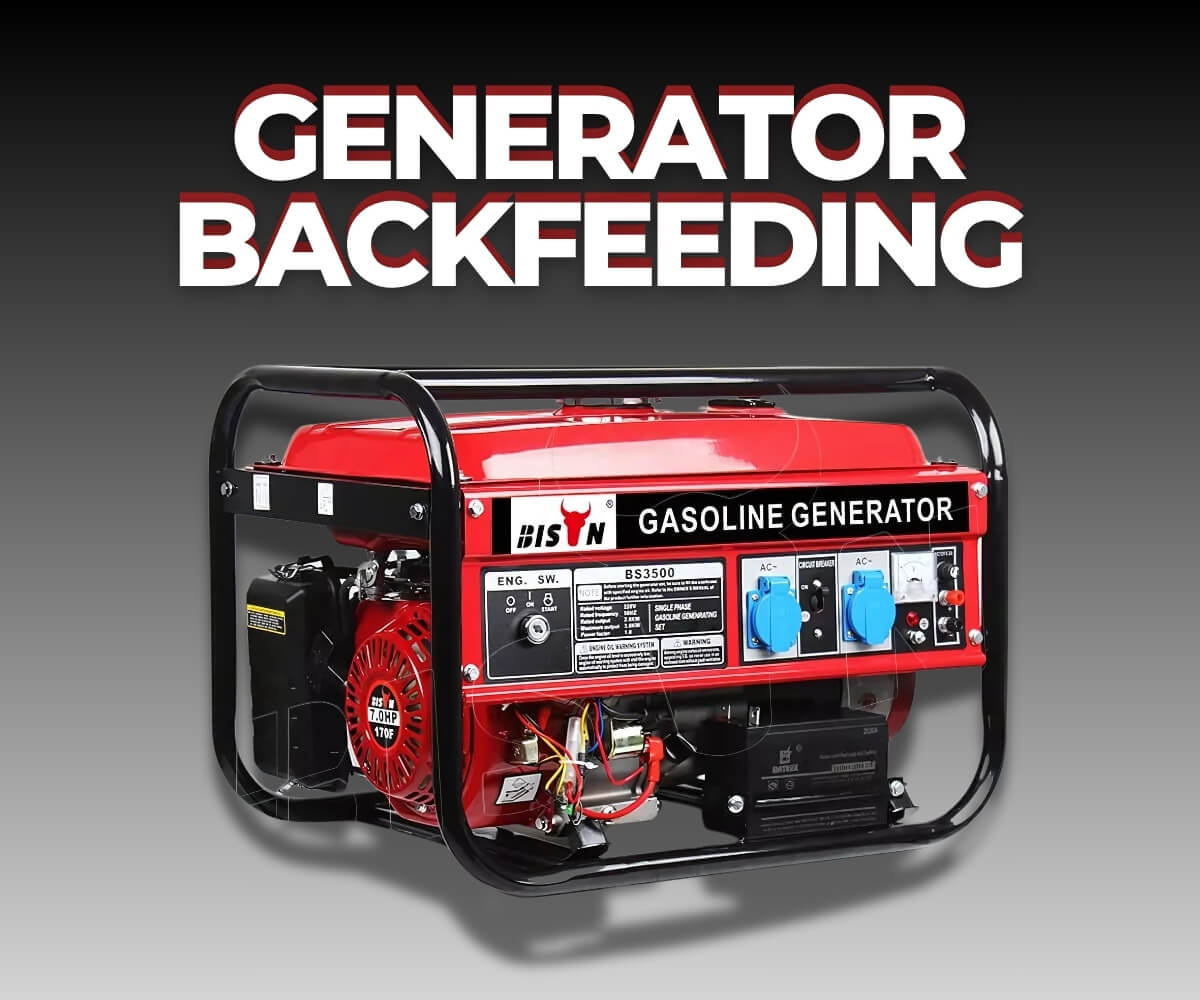
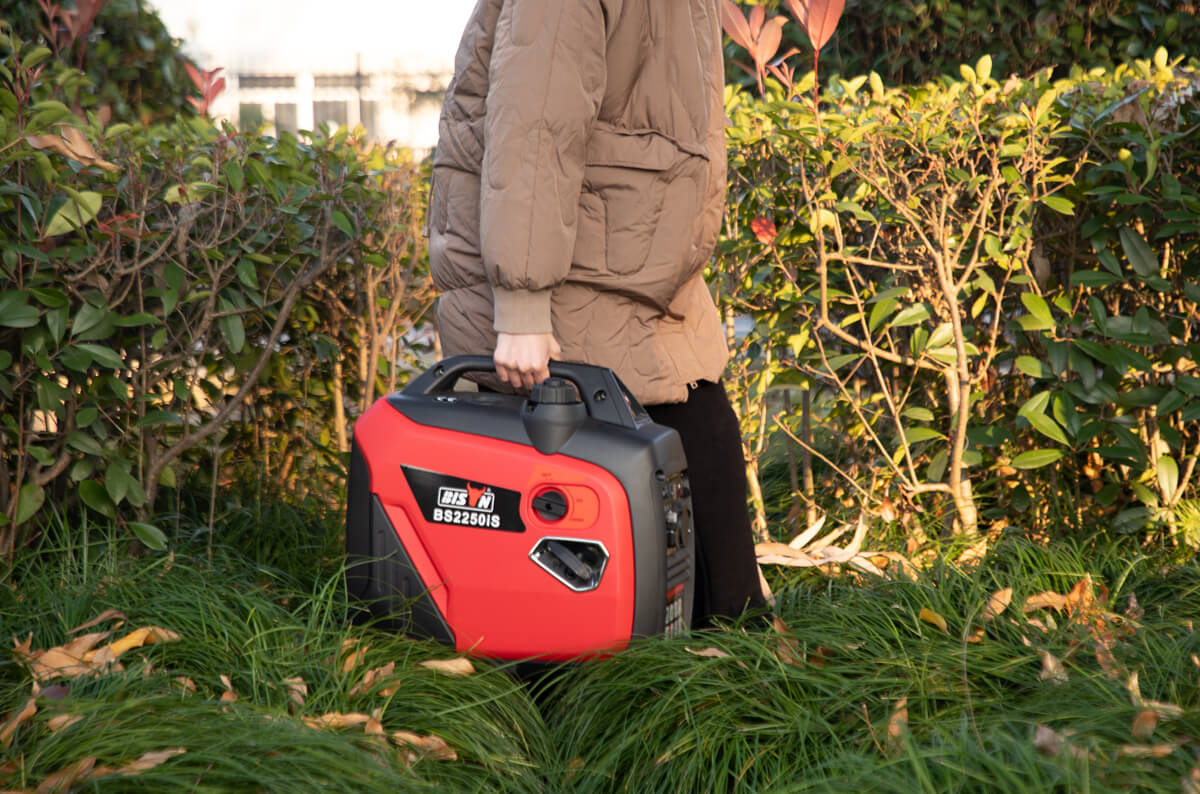
Picture this: a homeowner uses a portable generator during a power outage to keep the lights on and appliances running. It seems like a simple and effective solution. But what if the electricity from that generator accidentally flows backward into the main power lines outside the house?
This dangerous situation is known as generator backfeeding. In simple terms, backfeeding occurs when electricity from a generator flows in the opposite direction—out of the home and back into the utility grid. While generators are essential during power outages, backfeeding can be extremely hazardous, leading to electrical accidents that could seriously injure utility workers or damage equipment.
In this article, BISON explain the risks of generator backfeeding, why it happens, and—most importantly—how to prevent it so you can keep your home and community safe.
What is generator backfeeding?
Under normal circumstances, your home gets electricity from the utility grid through power lines, which pass through your home’s circuit breaker before powering all your appliances. But during a power outage, some homeowners try to restore power by plugging a generator into a household outlet — a method often called “backfeeding.”
Backfeeding happens when electricity from a generator flows the wrong way through your home’s wiring and out into the utility lines. People often attempt this because it looks like a quick, easy way to get electricity back during a blackout.
The problem? This method bypasses the home’s electrical safety systems. Instead of staying inside the house, the electricity can travel back into the power grid where utility crews may be working, putting them at risk of serious electric shock. Backfeeding can also damage your generator, overload your home’s electrical system, and even cause fires.
Why is backfeeding a generator dangerous?
Backfeeding isn’t just dangerous — it’s illegal in many places and can have life-threatening and costly consequences.
The biggest danger is to utility workers. When electricity flows backward into the power grid, it can make power lines that should be “dead” suddenly live again. Workers repairing the lines may not realize there’s electricity present, putting them at risk of severe electric shock, injury, or even death.
Backfeeding can also cause major equipment damage. Transformers, power lines, and other utility infrastructure are designed for electricity to flow in one direction. When power flows the wrong way, it can destroy this equipment, leading to costly repairs and longer outages for everyone in the area.
In addition, homeowners face serious financial risks. Backfeeding is considered an improper, do-it-yourself installation method. Most insurance companies do not cover fires, property damage, or other losses caused by backfeeding. Many policies specifically require professional installation for any generator system to ensure safety and compliance.
Preventing generator backfeeding (the solution)
While generator backfeeding can be dangerous, there are safe and effective ways to prevent it and protect your family, utility workers, and your home’s electrical system.
Install a transfer switch
The most important safety tool to prevent backfeeding is a transfer switch. This device safely connects your generator to your home’s electrical system while keeping it completely isolated from the utility grid.
- Manual transfer switch: When the power goes out, you manually disconnect your home from the grid by switching off the main breaker, then turn on the transfer switch to connect the generator. Manual switches are cost-effective, reliable, and popular for many homeowners.
- Automatic transfer switch (ats): The ats does everything automatically. When it detects a power outage, it disconnects the grid and connects your generator automatically—perfect for convenience and peace of mind, though it is generally more expensive than manual systems.
Whether you choose manual or automatic, a licensed electrician must install the transfer switch to ensure it meets safety codes and works properly.
Consider an interlock kit
An interlock kit is another safe option for some electrical panels. It physically prevents the main breaker and the generator breaker from being on at the same time, eliminating the risk of backfeeding.
Properly ground your generator
Grounding your generator ensures that any stray electricity is safely directed into the earth, reducing the risk of electric shocks or equipment damage.
Manage power loads wisely
Know your generator’s wattage capacity and avoid overloading it. Running too many appliances at once can damage the generator or your electronics and even trip safety systems.
How to connect a transfer switch?
Installing a transfer switch is not a diy job for most homeowners because it involves working with your home’s main electrical panel. For safety and compliance with local codes, it’s always best to hire a licensed electrician to handle the installation. However, here’s an overview of the basic steps so you understand the process:
- Turn off the main power: Switch off the main circuit breaker in your electrical panel to disconnect the building from the utility power supply. This step is essential for safety.
- Choose the location: Mount the transfer switch near the main electrical panel where it is easily accessible. The location must comply with local electrical codes and allow proper grounding.
- Install the power inlet box (if required): For portable generators, an external power inlet box may be installed outside your home. This is where you will plug in the generator safely.
- Connect the transfer switch to the electrical panel: Run the wiring from the transfer switch to the electrical panel. The switch is connected to the specific circuits you want powered during an outage, such as lights, refrigerators, or heating systems.
- Connect the generator to the transfer switch: Use the proper power cord to connect the generator to the transfer switch or the inlet box, ensuring secure and correct connections.
- Test the transfer switch: After installation, simulate a power outage by shutting off the utility power. Verify that the transfer switch transfers the load to the generator correctly and switches back when utility power is restored.
- Label the circuits: Clearly mark which circuits are connected to the transfer switch for easy operation during future outages.
Important! Working with electrical systems can be hazardous. Always follow the manufacturer’s instructions and consult a licensed electrician to ensure the transfer switch is installed safely, meets all regulations, and operates correctly.
Conclusion
Backfeeding your generator is a dangerous and illegal practice that should always be avoided.
Protect yourself, your family, and utility workers by using a manual or automatic transfer switch and hiring a licensed electrician for proper installation. Don’t take unnecessary risks—prepare for power outages the safe way and ensure your backup power system is correctly set up.
Remember, keeping the power grid safe is everyone’s responsibility. For dependable and high-quality generators built with safety in mind, choose our trusted products for worry-free backup power whenever you need it.
.png.avif)