.png.avif)
Are Chinese generators any good?
- By BISON
Table of Contents
Generators are a critical power infrastructure investment for distributors, importers, and project buyers worldwide. From camping trips and outdoor adventures to remote job sites and unexpected power outages at home, a generator helps keep life running smoothly. Chinese generators have become popular worldwide over the last 10 years because of their variety and low cost. Chinese-made generators like BISON offer affordable options with features that fit different needs.
With many brands and models available, it is natural to ask if Chinese generators are worth it or may cause problems later. Some people question their reliability, while others focus on their price and performance. Not all generators are the same, and choosing the right one requires knowing what to look for. Chinese generators can be effective if carefully selected, properly maintained, and used for the right purpose.
This guide examines the real performance, quality benchmarks, and supplier selection criteria that matter most to importers and resellers. By the end, you’ll have a clear framework for evaluating Chinese generator manufacturers—and understand specifically what separates a supplier like BISON from generic factory-floor alternatives.
Understanding Chinese generators
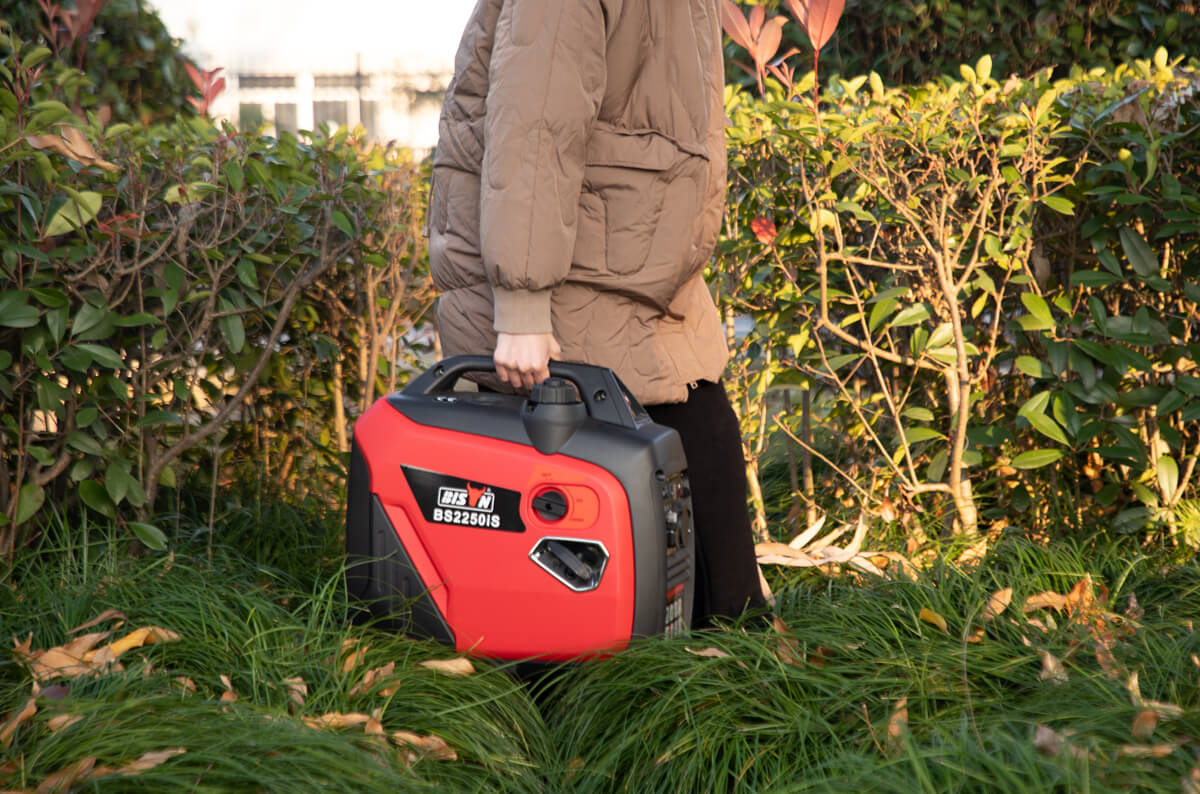
A generator is a device that produces electricity when you do not have access to a power source. Chinese generators are made by companies in China and exported worldwide. They range from small portable gasoline units to large diesel generators for commercial use. Their main purpose is to power lights, appliances, or equipment when electricity is unavailable. Many are produced as OEM units, meaning the same model can be sold under different brand names, which can sometimes create confusion about reliability and performance.
Chinese generators now play a major role in the global market, offering options for different needs and budgets.
Types of Chinese generator brands
- OEM models: Made in China and sold under different brand names in other countries.
- Established Chinese brands: Well-known manufacturers with their own branding and product lines.
- Store-exclusive brands: Sold through specific retail stores.
- Generic online brands: Available on e-commerce platforms, often at very low prices.
BISON operates as an established Chinese brand with its own manufacturing facilities—distinct from trading companies or white-label resellers.
Advantages of Chinese generators
Cost-effective and great value
One of the biggest advantages of Chinese-made generators is their affordable price. Compared to generators from Western brands like Yamaha or Honda, they offer a high value-for-money ratio at a far lower cost. This makes them ideal for occasional use, emergency backup, or light-duty tasks. For households, small offices, and construction sites with limited budgets, affordability is a deciding factor. Even models with advanced features like electric start or inverter technology are often more economical than equivalent models from international brands.
Feature-rich options
Many Chinese generators come loaded with useful features that make them convenient and easy to use. Some of these features include:
- Electric Start – Start your generator quickly without pulling a cord.
- Dual-Fuel Capability – Run the generator on gasoline or propane for flexibility.
- Inverter Technology – Provides clean power for sensitive electronics. Modern Chinese inverter generators often feature automatic engine speed adjustment according to load, reducing fuel consumption and noise, making them suitable for running laptops or home appliances without worrying about high fuel costs or excessive noise.
- USB Ports – Charge phones, tablets, and small devices directly.
- CO-Shutoff Sensors – Automatic safety feature to prevent carbon monoxide buildup.
Even budget-friendly models often include some of these advanced features, which were once only found on high-end generators.
Wide availability and variety
China produces generators in almost every possible configuration, including portable, inverter, diesel, gasoline, and hybrid models. Whether one needs a compact generator for camping trips or a high-capacity diesel unit for industrial use, the options are vast.
- Portable Generators – Small, moveable units ideal for camping, tailgating, or temporary home backup.
- Standby Generators – Permanently installed, automatic generators for homes or businesses that turn on when the main power goes out.
- Inverter Generators – Compact and quiet, they provide clean power for sensitive electronics like laptops and smartphones.
Many Chinese generators, especially portable and inverter models, are designed with mobility in mind. Lightweight frames, carry handles, and compact designs make them convenient for camping, outdoor events, construction sites, and temporary setups.
Readily available parts
Since these generators are manufactured in large quantities, standard parts such as spark plugs, filters, carburetors, and belts are usually cheap and easy to source. This simplifies maintenance and reduces downtime, which is essential for users who rely on generators during power outages or continuous operations.
Technological innovations
Manufacturers continue to innovate, adding new technology and improving efficiency even in lower-priced generators, making them attractive for buyers who want more features without spending a lot.
Potential downsides and risks
While Chinese generators offer many advantages, they also have drawbacks that purchasers should carefully consider.
Variability in quality
One of the main challenges with Chinese-made generators is inconsistent quality. Different factories follow different production standards, resulting in some units being highly reliable while others may fail prematurely — meaning two units of the same model could perform very differently. Buyers may experience defects in engine components, alternators, or control panels if they choose lower-quality models.
Short lifespan
Compared to established brands like Honda, Yamaha, or Caterpillar, many Chinese generators have a shorter operational lifespan. Models designed for light domestic use can wear out quickly under continuous or heavy-duty use. Buyers planning frequent or industrial-level operation should opt for premium models with robust components.
Limited warranty and support
Some Chinese generator brands offer limited or hard-to-reach customer support, especially if the generator was imported by a third party. Warranty periods may be short, cover only select parts, or involve a complicated claims process, making troubleshooting and repairs more difficult if problems arise.
Difficulty with parts and repairs
For less-known or generic models, finding replacement parts or qualified repair services can be challenging. Repairs may require importing parts or paying extra for specialized service, adding time and cost.
Environmental compliance issues
Some Chinese generators may not meet local environmental or emissions standards. Older or less expensive models often produce higher noise levels and higher emissions than premium brands. While modern inverter models address this, standard gasoline or diesel generators may not meet strict environmental or residential regulations, limiting where they can be operated or resulting in fines.
Misleading specifications
Some generators list peak watts as the main rating, which overstates the actual power available for continuous use (running watts). Buyers who don’t understand this distinction may choose a generator that can’t handle their real power needs.
Poor or missing documentation
Instruction manuals or safety guides may be incomplete, unclear, or missing altogether, leading to improper use, decreased efficiency, or safety hazards for first-time users.
Low brand recognition
Many Chinese generator brands are not widely recognized outside Asia. While this does not always indicate poor quality, it can affect trust, resale value, and the availability of reliable user reviews, requiring buyers to do additional research to identify models with a proven track record.
How BISON addresses these challenges?
Not every Chinese generator manufacturer operates the same way. The risks outlined above are real—but they are also avoidable when working with a manufacturer that has built its systems specifically to eliminate them. Here is how BISON approaches each concern:
| Common Industry Risk | BISON’s Standard Practice |
|---|---|
| Inconsistent quality across batches | In-line QC inspection at each production stage; pre-shipment full-load testing |
| Short lifespan under heavy use | Components sourced from certified tier-1 suppliers; heavy-duty engine options (Cummins, Isuzu, Yuchai) available |
| Limited warranty & after-sales support | 2-year warranty on core units; dedicated export sales team with English-language technical support |
| Hard-to-find spare parts | Standardized components; spare parts packages available with bulk orders |
| Missing or unclear documentation | Full English-language manuals, CE/EPA/CSA-compliant documentation supplied per destination market |
| Environmental non-compliance | Units available with CE, EPA, and CSA certification depending on your target market |
| OEM brand confusion | BISON operates as a manufacturer with its own verified factory—not a trading company |
Factors to consider when purchasing a Chinese generator
Purchasing a generator is an investment, and choosing the right one can save you time, money, and frustration. Chinese generators are popular for their affordability, but not all models are created equal. To make a wise choice, carefully consider the following factors.
Define your needs
Matching the generator to your intended use ensures performance, reliability, and safety.
- Emergency backup: Power essential appliances during outages.
- Recreational use: Camping, tailgating, or RV trips.
- Job site or light commercial use: Powering tools or equipment. For home backup, small inverter generators may be sufficient. For outdoor work, construction sites, or commercial use, larger diesel or conventional generators are more suitable.
Power output and load requirements
Calculate the total power you need. List the appliances or devices you plan to run simultaneously and check their wattage. Make sure the generator’s continuous output matches or slightly exceeds your total load. Also consider the starting wattage of appliances with motors, such as pumps or air conditioners, as they require more power during startup. Overusing a generator can shorten its lifespan and increase the risk of malfunctions.
Fuel type and efficiency
Chinese generators come in gasoline, diesel, or dual-fuel options. Gasoline models are lightweight, portable, and easy to start, making them ideal for home or outdoor use. Diesel generators are more durable, fuel-efficient, and suitable for heavy-duty or long-term use, although they are heavier and generally noisier. Dual-fuel generators offer flexibility but are more expensive. Consider fuel availability, cost, and storage before making your choice.
Quality and durability
The generator’s frame, engine, and alternator should be strong and built to last. Look for corrosion-resistant materials and sturdy engine blocks. Poorly built generators can fail quickly under heavy use, while high-quality construction ensures better performance and reliability over time.
Noise level
Noise can be a serious problem, particularly in residential areas. Inverter generators are typically quieter than conventional generators because they adjust engine speed to the load. If the generator will be used at home, for camping, or in areas where noise is a concern, consider models with a lower decibel rating.
Portability and size
Consider whether the generator will be stationary or moved frequently. Portable generators are lightweight, compact, and often have handles or wheels for easy transportation. For permanent home backup or industrial use, size and weight may be less critical, and heavier diesel or traditional generators may be more suitable.
Starting type
Generators come with either a manual recoil start or an electric push-button start. Manual starting is less expensive but requires physical effort. Electric starting is more convenient, especially for frequent use, but requires a battery and a bit more maintenance.
Safety features
Check for low oil shutoff, overload protection, circuit breakers, and automatic shutoff. These features help protect users from accidents and prevent damage to both the generator and connected equipment.
Maintenance and availability of spare parts
Check whether spare parts such as filters, spark plugs, carburetors, and belts are readily available locally. Any generator’s longevity depends on routine maintenance, and having access to reasonably priced spare parts and servicing facilities saves time and money.
Stick to reputable brands
Choose models from established or trusted brands. These brands often have better quality control, support, and parts availability than unknown or generic models.
Conduct Factory Verification
For B2B buyers, online reviews are not a sufficient basis for supplier selection. Instead, prioritize: factory audit reports or third-party inspection certificates; sample testing before container orders; reference checks with existing distributors in your region; and confirmation of export documentation capability (commercial invoice, packing list, bill of lading, certificate of origin).
Consider seller reliability and return policy
Make sure the seller is reputable and responsive. Check their return policy to confirm you can return the generator if it arrives damaged or doesn’t work, and verify shipping reliability to avoid delays or damaged shipments.
Warranty and after-sales support
Make sure the brand or supplier offers a reasonable warranty period and that service or repair options are accessible in your area. Without support, even a reliable generator can be challenging to maintain.
Perform a first-run inspection
Once you receive the generator, inspect it carefully before use:
- Look for physical damage or loose parts.
- Add the recommended fuel and oil.
- Test all outlets, switches, and safety features to ensure proper function.
Actionable advice
- Stick to brands with a proven track record.
- Never buy solely based on price — value and reliability matter more.
- Ask questions about warranty, parts availability, and customer support.
- Take your time performing the first-run check to catch potential problems early.

Conclusion
Chinese-made generators are not inherently good or bad—their quality varies widely depending on the brand, model, and usage. Chinese generators can be a practical and cost-effective solution for a wide range of power needs. Many offer affordability, features, portability, and convenience, making them suitable for emergency backup, recreational use, light-duty work, homes, outdoor activities, and small businesses. At the same time, some units may have quality inconsistencies, limited support, parts availability issues, shorter lifespan, and weaker warranty coverage compared to premium international brands, which highlights the importance of careful selection.
The key to a successful purchase is to research thoroughly, define your power needs, and choose reputable brands like BISON. By selecting the right model, performing regular maintenance, and using the generator responsibly, users can achieve reliable performance and long-term value while minimizing risks.
Chinese generators are a strong option for those who prioritize practicality, efficiency, and affordability without compromising essential features. The main risk comes from uninformed purchasing rather than the country of origin. With careful decision-making, a Chinese-made generator can be a dependable power solution for years.
Ready to find a generator you can trust? Explore the BISON product today and see why so many users rely on its performance and features.

FAQs
Are Chinese generators reliable for home use?
Yes, when properly maintained and used within their rated capacity, Chinese generators can provide reliable power for homes and small offices.
Can Chinese generators be used for industrial use?
Premium models can handle light industrial work, but heavy-duty applications may require more robust, internationally recognized brands.
How long do Chinese generators typically last?
With proper maintenance, a quality Chinese generator can last 5–10 years depending on the intensity of use.
Are spare parts for Chinese generators easy to find?
Generic parts are usually easy to find and inexpensive, although some brand-specific components may take longer to obtain.
Related Posts

How do I import a generator from China?
A step-by-step import guide written by BISON. Covers supplier vetting, certifications, shipping costs, customs clearance, and how to avoid the most costly mistakes.

air-cooled vs. liquid-cooled generators
Air-cooled vs. liquid-cooled generators: Discover which system provides better cooling, performance, and reliability for your home or business.

How do you clean generator fuel injectors
BISON will guide you through three effective ways to clean generator injectors, so you can restore performance and keep your generator running at its best.
generator maintenance checklist
This guide outlines a complete generator maintenance checklist, showing what to check at regular intervals. Following this systematic checklist ensures your generator runs reliably
Related Products
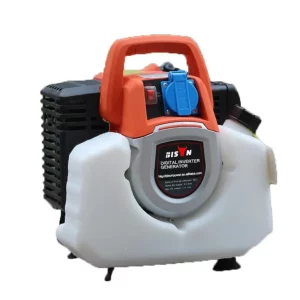
small portable gasoline inverter generator
Using 100% copper wire alternator, the small portable gasoline generator is in compliance with CE
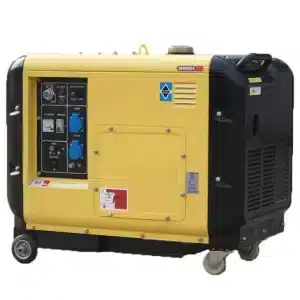
7kw diesel generators
BISON 7kW diesel generator is a reliable and powerful source of backup power for your
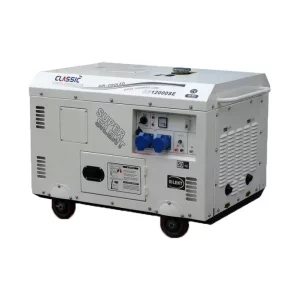
low RPM portable diesel generator
low RPM portable diesel generator – Product Parameter Place of Origin: Zhejiang, China (Mainland) Model

silent portable inverter generator
BISON BS2000ig silent portable inverter generator is the perfect solution for those who need a