.png.avif)
generator maintenance checklist
- By BISON
Table of Contents
A generator provides power during outages or in remote areas. Regular maintenance ensures it is ready when you need it.
Daily maintenance includes essential tasks performed each time the generator runs. Weekly or monthly tasks help maintain optimal performance, while major maintenance, such as inspections, oil, and filter changes, can be done once or twice a year.
Some tasks should be performed every time you use the generator, while others can be done weekly, monthly, or annually. Simple tasks can be done yourself, but more complex procedures should be handled by a professional.
This guide outlines a complete generator maintenance checklist, showing what to check at regular intervals. Following this systematic checklist ensures your generator runs reliably, whether for home backup, business operations, or critical infrastructure. The schedule depends on how often and under what conditions you use the generator.

Benefits of regular generator maintenance
Whether you use your generator for standby power or to supply remote areas, keeping it in top condition provides several benefits. Regular maintenance is essential—it protects your investment, ensures reliability, and prevents costly failures.
- Increased reliability during emergencies: A well-maintained generator starts and runs smoothly when you need it most. During a sudden blackout at a hospital, business, or home, a generator with regular upkeep keeps critical systems powered, avoiding downtime and safety risks. Routine inspections and test runs prevent issues like clogged fuel lines, dead batteries, or worn-out starters from leaving you powerless at a critical moment.
- Early problem detection: Regular maintenance helps identify small issues before they become major problems. Detecting and fixing minor issues early reduces downtime, increases productivity, and prevents costly repairs.
- Cost savings: Routine upkeep is far less expensive than major repairs or replacements. Tasks like replacing filters or cleaning the fuel system prevent engine damage that could cost thousands in parts and labor. Over time, consistent maintenance saves both money and stress.
- Extended generator life: Ongoing maintenance maximizes the life of your generator. Regular oil changes, filter replacements, and coolant checks reduce wear and tear on engine components, ensuring your generator operates efficiently for many years.
- Improved efficiency: Well-maintained generators consume fuel more efficiently, reducing energy costs. Proper care, including oil changes, filter replacements, and load testing, keeps your unit running smoothly and prolongs component life.
- Enhanced safety: Generators involve fuel, electricity, and moving parts, all of which can become hazards if neglected. Routine maintenance identifies leaks, frayed wires, or loose connections early, preventing fires, shocks, or carbon monoxide exposure and keeping people and property safe.
- Warranty compliance: Many generator warranties require proof of regular maintenance. Skipping scheduled servicing can void your warranty, leaving you responsible for repairs that would otherwise be covered. Following a maintenance schedule keeps you compliant and protected under the manufacturer’s terms.
Generator maintenance checklist
Whether performed daily, weekly, monthly, or annually, every generator inspection should begin with a visual check for signs of wear, leaks, or dirt. Inspect hoses, fittings, and connections for leaks or faults, and check electrical wiring and components for damage or loose connections.
Ensure the generator is clean, removing dust, debris, or any obstructions from air inlets, exhausts, and cooling vents. Listen for unusual noises during a brief test run, such as grinding, knocking, or rattling, which may indicate developing issues. Check for loose bolts, brackets, or other components that may need tightening.
Look for oil leaks around the generator and watch for signs of rodent or insect intrusion, such as chew marks or droppings. Pay attention to warning lights or alarms when the generator is running—never ignore them, as they indicate problems that should be addressed immediately.
After the visual inspection, follow the manufacturer’s guidelines for tasks specific to your maintenance schedule to ensure optimal performance and longevity of your generator.
Daily/pre-start maintenance checklist (the “Walk-around”)
Daily or pre-start maintenance, also called the “walk-around,” is essential for keeping your generator reliable. Performing these checks before each use ensures safe and efficient operation.
Check fuel level and quality
- Inspect the fuel tank and lines for leaks, cracks, or corrosion.
- Ensure the fuel is clean and free of water or debris, as contaminated fuel can damage the engine or reduce performance.
- Top up the tank if needed, using the fuel type recommended by the manufacturer.
Inspect oil and coolant levels
- Use the dipstick to check engine oil and ensure it is within the recommended range.
- Look for oil leaks around the engine and under the generator.
- Check coolant levels and refill with the correct type if necessary.
- Inspect hoses and connections for wear, cracks, or leaks.
Examine battery condition and charger
- Ensure battery terminals are clean, tight, and corrosion-free.
- Check battery voltage and confirm the charger is functioning properly.
- Verify cables are securely connected and free from damage.
Weekly maintenance checklist (operational & system checks)
Weekly maintenance focuses on operational and system checks to ensure reliable, safe performance. These tasks go beyond the daily walk-around and help catch issues early.
Perform a startup test
- Start the generator and run it under a light load for 15–30 minutes.
- Monitor gauges for voltage, frequency, oil pressure, and coolant temperature.
- Listen for unusual noises such as knocking, grinding, or rattling, and watch for excessive vibration or smoke.
- Gradually increase load during tests to simulate real operating conditions. Observe overall performance and load handling to ensure smooth operation. Avoid running the generator at full load for extended periods unless necessary.
Inspect hoses and belts
- Examine hoses for cracks, bulges, or leaks and replace damaged ones immediately.
- Check belts for tension, wear, or fraying; tighten or replace as needed to prevent failures.
Check coolant and other fluids
- Verify coolant levels, ensuring proper mixture (ideally 1:1 water to antifreeze) and no leaks.
- Inspect oil and other system fluids for level, contamination, or leaks.
- Look for signs of corrosion or sediment that could affect performance.
Inspect air filters and exhaust system
- Remove and inspect air filters for dirt, dust, or blockage; clean or replace as recommended.
- Check the exhaust system for leaks, cracks, or unusual smoke.
Test safety devices and alarms
- Test emergency stop buttons, alarms, and circuit breakers.
- Ensure warnings for low oil pressure, high coolant temperature, or overloading function properly.
- Record triggered warnings and investigate causes promptly.
Monthly maintenance checklist
Monthly maintenance focuses on deeper inspections and preventive care to ensure long-term reliability and performance. Follow these steps to keep your generator in top condition:
Clean or replace air filters
- Remove air filters and inspect for dust, dirt, or debris.
- Clean reusable filters per the manufacturer’s instructions or replace disposable filters as needed.
- Ensure filters are properly seated to prevent air leaks that could affect engine performance.
Check battery electrolyte levels
- Inspect electrolyte levels in lead-acid batteries and top up with distilled water if necessary.
- Check for corrosion on terminals and clean using a battery terminal cleaner.
- Verify that battery connections are tight and secure.
Inspect the fuel system for contamination
- Check fuel tanks, lines, and filters for water, sediment, or microbial growth.
- Replace fuel filters if clogged or dirty.
- Drain and clean fuel tanks if contamination is found, and follow proper fuel storage practices.
Lubricate moving parts
- Apply manufacturer-recommended lubricants to components such as linkages, hinges, and bearings.
- Check for unusual wear or friction points that may indicate mechanical issues.
Check control panel and wiring connections
- Inspect the control panel for loose or damaged wires, burnt contacts, or faulty indicators.
- Tighten connections and ensure all gauges, meters, and warning lights function correctly.
- Look for moisture or corrosion inside the panel and clean if needed.
Quarterly / annual maintenance checklist
Quarterly or annual maintenance provides the most thorough inspection and servicing, ensuring your generator operates safely, efficiently, and reliably for years. While daily, weekly, and monthly tasks can often be performed by operators, it’s recommended to bring in a certified technician for annual maintenance.
Replace engine oil and filter
- Drain old engine oil and refill with the manufacturer-recommended type.
- Replace the oil filter to ensure optimal lubrication and prevent contamination.
- Inspect the oil pan, filter, and drain plug for leaks or damage.
Replace fuel filter
- Remove and replace the fuel filter to maintain clean fuel flow and prevent clogging.
- Check fuel lines for cracks, leaks, or wear, replacing as necessary.
Inspect spark plugs (gasoline generators only)
- Remove and inspect spark plugs for wear, carbon buildup, or corrosion.
- Clean or replace spark plugs according to manufacturer recommendations to ensure reliable ignition.
Test the automatic transfer switch (ats)
- Simulate a power outage to verify proper load transfer from mains to generator.
- Check smooth operation, correct timing, and proper function of all indicators on the ats panel.
Perform a comprehensive load test
- Run the generator under full or rated load for a sufficient period to assess performance.
- Monitor voltage, frequency, and engine parameters for stability under stress.
- Listen for unusual noises and watch for overheating or abnormal vibrations.
Check and clean the exhaust system
- Inspect pipes, mufflers, and connections for corrosion, leaks, or blockages.
- Remove soot or carbon buildup and ensure proper ventilation.
- Verify the exhaust system is securely mounted and unobstructed.
Tips for professional upkeep:
- Use manufacturer-approved parts and fluids to maintain efficiency and safety.
- Schedule checks during planned downtime and follow all safety protocols.
- Keeping up with weekly and monthly maintenance reduces the scope of annual inspections.
Practical guide for maintenance personnel
Oil and filter changes
- What to do: drain old engine oil and replace it with the manufacturer-recommended type. Replace the oil filter.
- Why it matters: fresh oil lubricates engine components, reduces friction and wear, and prevents sludge buildup. A clean oil filter prevents contaminants from circulating, protecting performance and extending engine life.
Air filter inspection and replacement
- What to do: remove and inspect air filters for dust, dirt, or debris. Clean reusable filters or replace disposable ones as needed.
- Why it matters: clean air filters ensure proper airflow to the engine, improving fuel efficiency and preventing overheating or performance loss.
Cooling system service
- What to do: check coolant levels, test chemical balance, inspect hoses, and flush or replace coolant if necessary. Clean radiator fins from dust or debris.
- Why it matters: proper cooling prevents engine overheating, corrosion, and component damage. Maintaining the correct coolant mixture ensures optimal heat transfer and prolongs engine life.
Ignition system checks (spark plugs)
- What to do: for gasoline generators, inspect spark plugs for wear, fouling, or corrosion. Clean or replace as required.
- Why it matters: healthy spark plugs are essential for reliable ignition. Worn or dirty plugs can cause misfires, inefficient fuel combustion, and difficulty starting the generator.
Fuel system maintenance
- What to do: inspect fuel filters and replace if necessary. Drain water separators or sediment traps. Check fuel lines for leaks, cracks, or contamination.
- Why it matters: clean fuel ensures smooth engine operation and prevents clogging or damage. Water or sediment in the fuel can cause engine stalling, reduced performance, or costly repairs.
Electrical system checks
- What to do: test safety shutdown systems, alarms, circuit breakers, and automatic transfer switches (ats). Perform load bank testing to simulate full operational load and monitor voltage, frequency, and engine performance.
- Why it matters: electrical checks ensure safe operation under load and verify that protective systems function correctly. Load bank tests identify weaknesses in performance under stress, helping prevent failures during outages.
Avr (automatic voltage regulator) test
- What to do: 1. Set a multimeter to measure ac voltage (vac). 2. Turn on the generator and measure the output voltage. 3. Compare the reading to the acceptable voltage range specified by the manufacturer.
- Why it matters: a properly functioning avr stabilizes generator voltage under varying loads. If voltage readings are outside acceptable limits, the avr or related circuitry may require inspection or replacement.
Safety precautions during generator maintenance
Generator maintenance involves fuel, electricity, moving parts, and potentially hazardous chemicals. Following strict safety precautions is essential to prevent accidents and protect personnel.
Use personal protective equipment
- Always wear gloves, safety goggles, and appropriate workwear to protect against burns, chemical exposure, and mechanical injuries.
- Use hearing protection when working near running generators, as noise levels can be high.
Follow lockout/tagout procedures
- Disconnect the generator from all power sources before maintenance.
- Apply lockout/tagout procedures to prevent accidental startup and verify the generator cannot be energized until maintenance is complete.
Ensure proper ventilation
- Operate and service generators in well-ventilated areas to prevent buildup of carbon monoxide (co) or other harmful exhaust gases.
- Never run a generator indoors or in confined spaces without adequate ventilation.
Safe fuel handling
- Store fuel in approved containers away from heat, sparks, or open flames.
- Refuel only when the generator is turned off and cooled.
- Avoid spills, and clean up any fuel immediately to prevent fire hazards.
Fire safety and first aid
- Keep a fire extinguisher rated for electrical and fuel fires nearby.
- Ensure first aid supplies are readily available, and personnel know how to respond to burns, chemical exposure, or other injuries.
- Be familiar with emergency shutdown procedures in case of fire or hazards.
Adhere to manufacturer guidelines
- Always follow the generator manufacturer’s instructions for maintenance, servicing, and part replacements.
- Using improper procedures or unapproved parts can create safety risks and void warranties.
Safe operation tips for home generators
- Operate generators in a well-ventilated area to avoid exposure to carbon monoxide, a colorless and odorless deadly gas.
- Never touch the generator with wet hands or operate it in wet conditions. If cleaning is necessary, use a cloth and wear gloves.
- For permanently installed home generators, choose a shaded or suitable wall area to improve safety and performance.
Conclusion
A generator is a critical piece of equipment, especially when the main power source fails. Proper care and maintenance are essential, even if the generator is rarely used. Neglecting maintenance can lead to unexpected failures and costly downtime.
Maintenance schedules should be based on input from OEMs, operational data, and maintenance teams, with clear checklists and SOPs guiding every procedure.
At BISON, we believe proactive maintenance is the key to uninterrupted power and peace of mind. Establish a consistent maintenance routine, consult a certified technician for professional support, and follow the checklist to ensure your generator is always ready when you need it.
FAQs
How often should a generator be serviced?
Most manufacturers recommend servicing a generator at least once a year or after every 100–200 hours of operation. Generators used heavily or in harsh environments may require more frequent maintenance to ensure reliable performance.
How long does it take to run a generator for maintenance?
For load testing, generators should run at maximum load for about 30 minutes to evaluate performance. For oil changes, the generator should run a few minutes to warm the oil, then be allowed to cool for at least 15 minutes before draining. The total duration depends on the type of maintenance being performed.
How to make a generator maintenance checklist?
Creating a generator maintenance checklist is straightforward if you include all necessary items and follow a clear process. Use these steps:
be prepared
Keep all necessary tools, spare parts, and replacement components in a dedicated maintenance toolkit to ensure you are ready when it’s time to service the generator. Keep a maintenance log of inspections, tests, and replacements to track trends and predict potential issues.
list generator functions and components
Identify all functions and components that require inspection and servicing, such as the engine, fuel system, cooling system, electrical connections, and control panel.
identify potential problems
Determine the common issues to check during maintenance, including voltage fluctuations, wiring faults, fuel contamination, oil leaks, and coolant system problems.
establish a maintenance schedule
Set a regular maintenance schedule, specifying which tasks should be performed daily, weekly, monthly, and annually. Ensure that all components are inspected and serviced according to the checklist.
Related Posts
Are Chinese generators any good?
Home / News / Table of Contents Generators are a critical power infrastructure investment for distributors, importers, and project buyers

How do I import a generator from China?
A step-by-step import guide written by BISON. Covers supplier vetting, certifications, shipping costs, customs clearance, and how to avoid the most costly mistakes.

air-cooled vs. liquid-cooled generators
Air-cooled vs. liquid-cooled generators: Discover which system provides better cooling, performance, and reliability for your home or business.

How do you clean generator fuel injectors
BISON will guide you through three effective ways to clean generator injectors, so you can restore performance and keep your generator running at its best.
Related Products
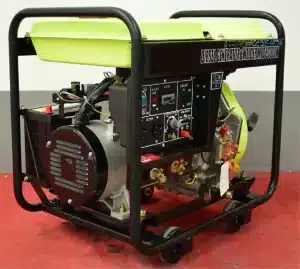
diesel fuel powered portable generator with stick welder
PRODUCT INTRODUCTION BISON diesel fuel powered portable generator with stick welder is a versatile and
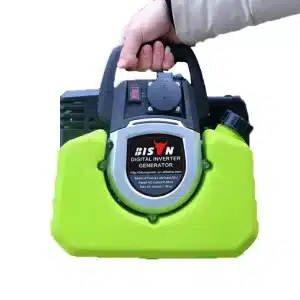
mini generator 500watt portable inverter power generator
Smallest portable generators– Bison 500watt Portable Power Mini Inverter Generator – Product Parameter Place of

super quiet portable inverter generator
BISON BS2500I is a super quiet and portable inverter generator, perfect for a variety of

2500w digital inverter generator
The BISON BS2500I is a top-of-the-line 2500-watt digital inverter generator that delivers clean, reliable power