This is one of the most common questions we get at BISON. Whether you’re a business owner or a DIY enthusiast, knowing the safe runtime is essential to prevent overheating, avoid damage, and maintain efficient cleaning.
The runtime depends on the type of pressure washer—electric or gas—and whether it’s actively spraying water or idling. Gas pressure washers typically require longer breaks, while electric models are more forgiving. As a general guideline, giving your unit a short break every 30 minutes of continuous use is recommended. Factors such as outdoor conditions, cleaning intensity, and your specific model can also influence the ideal downtime.
At BISON, we design pressure washers to be powerful and reliable. In this article, we’ll go over what affects runtime, common limits for different washers, and simple safety tips. By understanding safe runtimes and following simple safety practices, you can keep your machine running efficiently and extend its lifespan.
Why you must know how long you can run a pressure washer continuously?
If you’ve ever used a pressure washer, you know how quickly it can overheat—especially gas models. Electric washers are more forgiving but can still shut down if they get too hot. Knowing how long you can run your machine before giving it a break is essential not only to prevent overheating but also to ensure safety, efficiency, and longevity.
Overheating
Extended use can overheat electric motors or gas engines, damaging internal components and leading to expensive repairs or permanent failure. Preventing overheating protects your investment and keeps the machine performing reliably.
Poor performance and wear
Running a washer continuously can reduce water pressure and overall performance. Continuous operation also stresses the pump, seals, o-rings, and pistons, causing leaks and costly repairs. Gas models that are overworked consume more fuel, produce higher emissions, and put extra strain on the engine, reducing efficiency and lifespan.
Safety concerns
Operating a pressure washer beyond recommended limits can create safety hazards. Overrunning the machine increases the risk of sudden breakdowns, pressure spikes, or malfunctions, which can cause accidents or injuries to you and your team.
How long does a pressure washer run?
The runtime of a pressure washer depends on the type of machine and how it’s used. Understanding these factors helps prevent overheating and keeps your washer in top condition.
Electric pressure washers
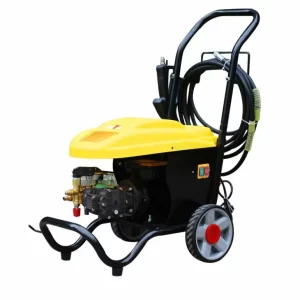
Electric models are lighter-duty and ideal for home tasks like washing cars, decks, and patios. They can often run for longer periods than gas models but still generate heat. Typical continuous spraying time is 30–60 minutes, after which the motor should rest for 10–15 minutes to cool down. Signs of overheating include unusual noises, reduced pressure, or a warm motor casing.
Gas pressure washers
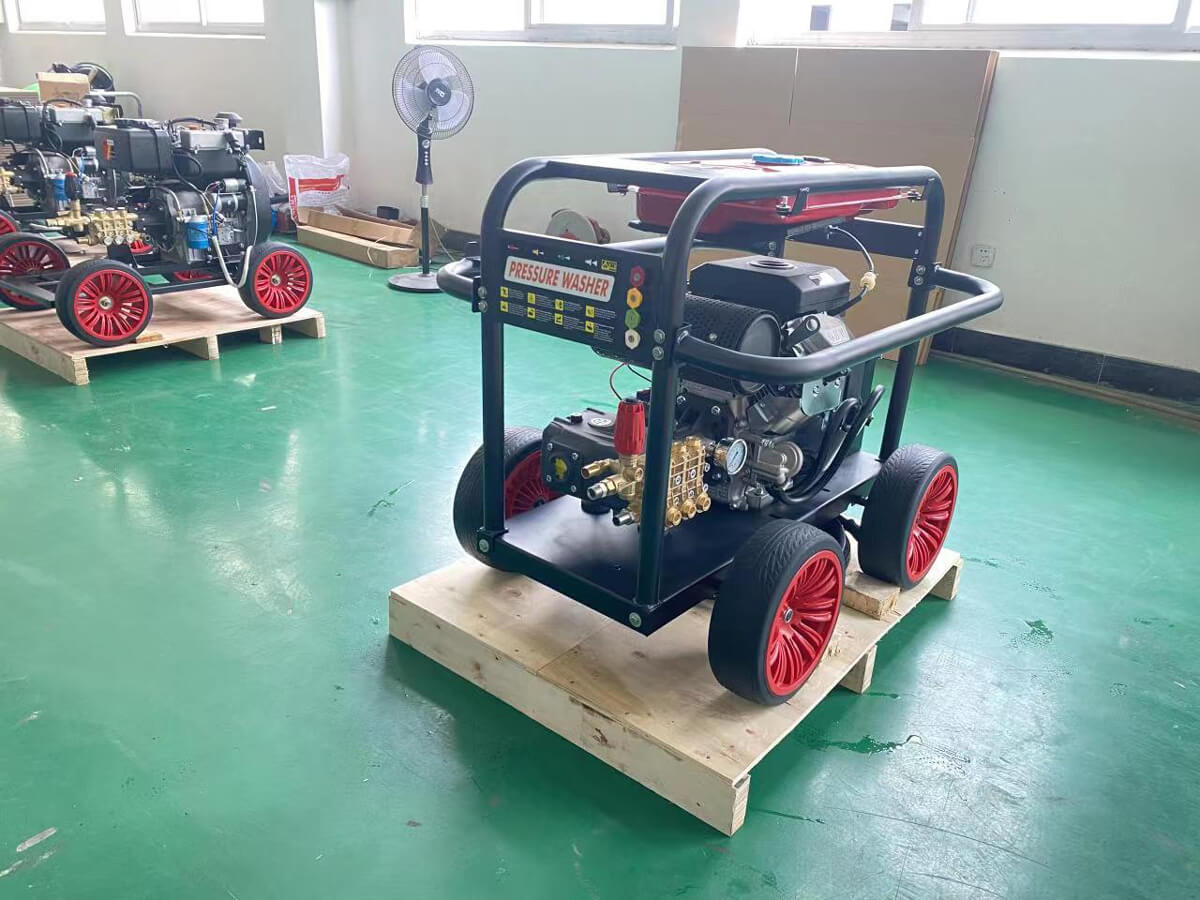
Gas washers are more powerful and designed for heavy-duty cleaning. Continuous spraying should generally not exceed 30–45 minutes, followed by a 15–20 minute cooldown. Overheating signs include rough engine operation, higher-than-normal exhaust heat, or difficulty maintaining pressure. Regular breaks prevent engine stress and costly repairs.
Industrial and commercial pressure washers
These robust machines are built for professional or industrial use. Hot water models, in particular, generate extra heat and require shorter operational cycles. Typical run times are 15–20 minutes before needing a break. Following manufacturer guidelines is crucial to avoid pump or engine damage.
Overall, higher-quality pressure washers can run longer and withstand more demanding tasks, but all models benefit from regular breaks to ensure longevity and safety.
Operating conditions that affect runtime
How long a pressure washer can run also depends on the operating conditions.
Pump type
The type of pump greatly affects runtime. Triplex pumps are heavy-duty and designed for long, continuous operation, while wobble pumps are lighter and better suited for shorter tasks. Using a wobble pump for extended cleaning can cause overheating and wear.
Motor or engine cooling
Cooling systems prevent overheating. Electric motors are typically air-cooled, so running them continuously can cause heat buildup. Gas engines may be air- or water-cooled; water-cooled engines handle longer use, while air-cooled engines require more frequent breaks.
Manufacturer duty cycle recommendations
Every pressure washer has a recommended duty cycle, specifying safe run and rest times. Ignoring this guidance increases wear and reduces the machine’s lifespan. Following the duty cycle keeps pumps, motors, and engines in optimal condition.
Environmental conditions
High temperatures, poor airflow, limited water supply, or heavy workloads can cause the motor, pump, or engine to heat up faster. Operating in shaded, ventilated areas and maintaining steady water flow helps the machine stay cool and run longer.
Pressure and nozzle settings
Higher pressure or smaller nozzle tips increase the load on the pump and engine, generating more heat and stress. Adjusting pressure and using the appropriate nozzle for the task can extend runtime and protect the machine. Heavy-duty cleaning jobs require more frequent breaks to prevent overheating.
Tips to make your pressure washer last longer
Taking breaks may feel like lost time, but proper operation and maintenance can extend your pressure washer’s lifespan, improve performance, and prevent costly repairs.
Use appropriate pressure settings
Match the nozzle and pressure to the task. Avoid using maximum pressure or small tips unless necessary, as this stresses the pump and motor.
- Lower pressure: reduces strain on the pump and prevents overheating.
- Larger nozzle tip: allows more water flow, helping the unit stay cooler.
Shut off instead of idling
Never leave the washer running in bypass mode (trigger released) for more than 2–5 minutes. Idling in bypass causes heat to build up inside the pump, which can damage seals, o-rings, and pistons. Hot pistons combined with cold water can lead to pump cavitation and irreparable damage. Always spray or turn off the machine during pauses longer than a minute or two.
Give it a break
Even with proper operation, it’s essential to give your machine short breaks. A good guideline is 30 minutes of spraying followed by a 15-minute break. This allows the motor or engine to cool down, preventing overheating and extending the washer’s lifespan.
Never run without water
Running a pressure washer without water can cause severe pump damage. Water lubricates and cools the pump, so even a few seconds of dry operation can cause excessive wear and overheating.
Follow proper maintenance
Regular maintenance keeps your washer in top condition:
- Change oil for gas engines
- Clean filters to prevent clogs
- Lubricate the pump to reduce wear
- Inspect o-rings and seals to prevent leaks
Monitor performance
Watch for signs of strain, such as unusual noises, leaks, or rising temperatures. Stopping early when something seems off prevents further damage and expensive repairs.
Conclusion
That wraps up our discussion on how long you can run a pressure washer. You now understand the importance of giving your machine regular breaks—not only to prevent wear and tear but also to maintain optimal performance. While downtime may feel inconvenient, it allows the machine to cool and ensures it works efficiently and effectively when you return.
Whether you use an electric, gas, or industrial model, proper downtime and maintenance are essential for long-term reliability.
At BISON, we design pressure washers built for power and durability, but even the best machines require care. Always follow your owner’s manual, adhere to recommended runtime guidelines, and schedule cooling breaks to protect your investment.
For reliable commercial and industrial pressure washers, BISON is your trusted partner. As a leading manufacturer in China and a worldwide supplier, we offer a wide range of machines to meet any cleaning need. Explore our catalog or contact us for a recommendation—experience the cleaning power that only BISON can deliver.
.png.avif)