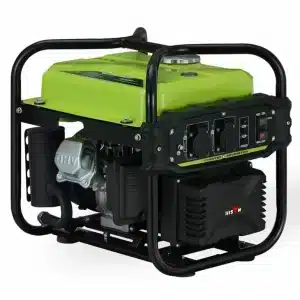
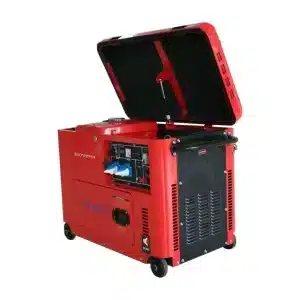
Generators are internal combustion engines that rotate an alternator to produce electricity. Heat is inevitable in engines and can reduce efficiency and stress mechanical parts. Effective cooling prevents overheating, extends service life, and ensures reliable operation.
To manage heat, manufacturers use different cooling methods, mainly air-cooled and liquid-cooled systems. With its exceptional CAPEX efficiency and architectural simplicity, air-cooling systems represent an economical choice for intermittent backup power and mobile construction scenarios. However, when confronted with sustained high-load operation, extreme ambient temperatures, or stringent noise regulations, the thermal balancing capabilities demonstrated by liquid-cooling systems emerge as the sole technical pathway for ensuring core business continuity.
This guide explains the basics of these systems, their components, pros and cons, and compares their performance and reliability. Understanding these cooling methods will help you choose the right generator for your specific needs.
Air-cooled generators
An air-cooled generator uses air as the cooling medium to dissipate heat generated during operation. This design is common in portable and standby generators where liquid cooling is impractical. Air-cooled generators rely on fans to circulate ambient air over the engine, stator, rotor, and other internal components.
Cool air is drawn in through vents, passes over critical parts, and hot air is expelled, preventing overheating and maintaining optimal operating temperatures. Proper ventilation is essential for efficient heat dissipation and reliable performance.
Components of air-cooled generators
- Engine: The primary drive of the generator, usually running on gasoline or diesel, provides mechanical energy to rotate the alternator. It is the main source of heat in the system.
- Alternator: Converts mechanical energy from the engine into electrical energy. It consists of the rotor, the rotating part with copper coils wound around a steel core that generates a magnetic field, and the stator, the stationary part surrounding the rotor, containing copper coils where electric current is induced.
- Voltage regulator: Maintains a stable voltage output by controlling the current in the generator’s electrical system.
- Cooling system: Includes fans, fins, and vents that dissipate heat from the engine and alternator to prevent overheating.
- Control panel: The operator interface for starting/stopping the generator, monitoring performance, and adjusting voltage and frequency.
Advantages of air-cooled generators
- Lower cost: Air-cooled generators are generally less expensive to purchase than liquid-cooled models, making them suitable for budget-conscious users.
- Simpler design and maintenance: Fewer components mean easier operation, simpler maintenance, and fewer potential points of failure.
- Lightweight and portable: Their compact size and lighter weight make them easy to transport, ideal for recreational use, emergency backup, or construction sites.
- Reliable in dry environments: Perform well in dry, low-dust conditions where airflow is unobstructed.
- Dependable and repair-friendly: Fewer parts and straightforward design increase reliability and make repairs easier.
Disadvantages of air-cooled generators
- Less effective cooling for larger units: Air cooling is less efficient for high-capacity generators, which may require robust cooling systems.
- Noise levels: Fans and engines produce more noise, which can be a concern in residential or quiet environments.
- Reduced efficiency in hot conditions or heavy loads: High temperatures or prolonged operation can lower efficiency and risk overheating.
- Limited power output: Air-cooled generators typically have lower capacity, making them unsuitable for high-demand or continuous-use applications.
- Shorter component life under heavy use: Higher operating temperatures can reduce the lifespan of internal components.
Summary: Air-cooled generators are cost-effective, portable, and simple to maintain, but they have limitations in cooling efficiency, noise, power output, and durability under heavy loads. Choosing the right generator depends on balancing portability, cost, and power requirements.
Liquid-cooled generators
Liquid-cooled generators use a liquid, typically water or a water-antifreeze mixture, to dissipate heat generated during operation. This cooling method is common in large commercial and industrial generators, where high power output and long service life are required.
The system circulates coolant over the engine, alternator, and other components using a pump. The heated coolant flows through a radiator, where heat is released into the air, maintaining stable engine temperatures even under heavy loads or high ambient temperatures.
Components of liquid-cooled generators
- Engine: The primary component, usually running on gasoline, diesel, or natural gas, provides mechanical energy to rotate the alternator.
- Radiator: Removes heat from the coolant and transfers it to the air, keeping engine temperatures stable.
- Coolant pump: Circulates the coolant throughout the engine and generator components.
- Coolant reservoir: Stores excess coolant and maintains consistent cooling levels as the fluid expands and contracts.
- Heat exchanger: Transfers heat from the coolant to another medium, improving cooling efficiency in larger generators.
- Alternator: Converts mechanical energy from the engine into electrical energy.
- Voltage regulator and control panel: Standard components that manage voltage output, monitor performance, and provide operator controls.
Advantages of liquid-cooled generators
- Efficient cooling: Ideal for larger generators and heavy-duty applications, liquid cooling maintains stable operating temperatures even under high loads.
- Higher power output: Can support higher power demands, making them suitable for industrial, commercial, and prolonged use.
- Quieter operation: The liquid cooling process reduces noise compared to air-cooled systems, beneficial in noise-sensitive environments.
- Protection against overheating: Consistent cooling reduces wear on components, enhancing reliability and extending lifespan.
- Consistent performance: Maintains optimal performance regardless of ambient temperature, ensuring dependable power delivery.
Disadvantages of liquid-cooled generators
- Higher initial cost: More expensive due to complex cooling systems and robust construction.
- Complex design and maintenance: Requires regular coolant checks, flushing, and monitoring for leaks, demanding technical expertise.
- Heavier and less portable: Larger size and weight limit mobility compared to air-cooled generators.
- Risk of coolant leaks: Leaks can cause mechanical issues and need immediate attention.
- Dependence on coolant supply: Requires a constant supply of coolant, which may not be available in all locations.
Summary: Liquid-cooled generators offer efficient, quiet, and reliable operation for high-demand applications, but they come with higher costs, more maintenance requirements, and reduced portability.
Air-cooled vs. Liquid-cooled generators
Choosing between air-cooled and liquid-cooled generators depends on the application, load requirements, and usage environment. Each type has advantages and limitations. Here’s a concise comparison:
Cooling system
- Air-cooled: Uses fans to circulate air over the engine and alternator. Effective for small to medium-sized generators but less efficient for large models, which may overheat under heavy loads.
- Liquid-cooled: Uses a coolant (water or water-antifreeze mixture) circulated by a pump through a radiator. Ideal for large generators and heavy-duty applications, providing consistent temperature control and reducing overheating risks.
Lifespan
- Air-cooled: Most air-cooled generators operate at a high speed of 3,600 RPM. High speeds result in increased mechanical vibration and reduced bearing life, with a typical recommended maintenance interval of 200 to 250 hours.
- Liquid-cooled: Industrial-grade liquid-cooled generator sets typically operate at 1,800 RPM. This low-speed architecture significantly reduces frictional losses between the piston rings and cylinder walls, extending the engine’s service life to between 20,000 and 30,000 hours—a lifespan more than ten times that of air-cooled units.
Power capacity
- Air-cooled: Handles moderate loads effectively.
- Liquid-cooled: Supports higher loads and continuous operation, making it suitable for industrial and commercial use.
Cost
- Air-cooled: Lower initial purchase price and simpler maintenance due to fewer components.
- Liquid-cooled: Higher upfront cost and potentially higher long-term maintenance costs due to the complex cooling system.
Maintenance
- Air-cooled: Simple to maintain; regular cleaning ensures proper airflow.
- Liquid-cooled: Requires coolant checks, periodic flushing, and inspection of pumps and radiators, demanding more technical attention.
Noise
- Air-cooled: Generally louder due to fan operation, which can be a concern in noise-sensitive areas.
- Liquid-cooled: Quieter operation as the liquid absorbs and dampens engine noise.
Portability
- Air-cooled: Lightweight and easy to transport, suitable for mobile or temporary setups.
- Liquid-cooled: Heavier and better suited for stationary installations.
Fuel types
- Air-cooled: Typically runs on gasoline or propane.
- Liquid-cooled: Compatible with various fuels, including diesel, for larger generators.
Environmental considerations
- Air-cooled: Fewer materials and simpler design, but efficiency depends on conditions.
- Liquid-cooled: More energy-efficient in high-capacity applications, but coolant handling is required to avoid environmental impact.
Installation requirements
- Air-cooled: Easier to install with minimal space requirements.
- Liquid-cooled: Needs additional space for the radiator and coolant system, suitable for permanent installations.
Precision selection guide
There is no universally “better” cooling technology — only the solution that best fits your specific application. BISON recommends selecting your system based on industry-specific needs:
Retail, food service & cold chain logistics (cost efficiency & basic protection)
- Ideal for: Small business owners (e.g., chain restaurant operators)
- Core challenge: Preventing inventory loss during power outages while minimizing capital expenditure
- BISON recommendation: Air-cooled systems (BS13000 Series)
For regions experiencing fewer than five outages per year, each lasting only a few hours, air-cooled systems offer the best balance of fast deployment and low upfront cost.
Data centers & critical communications (continuous load & thermal stability)
- Ideal for: CTOs, Operations Directors
- Core challenge: Zero downtime, strict frequency stability, and high-density heat dissipation
- BISON recommendation: Liquid-cooled systems (1800 RPM Series)
Data centers often require 72+ hours of continuous operation. Liquid cooling ensures superior thermal balance, protecting sensitive servers from damage caused by voltage fluctuations.
Healthcare & life sciences (compliance & ultra-low noise)
- Ideal for: Hospital administrators, facility managers
- Core challenge: Absolute reliability, nighttime noise compliance, and stable power for life-support systems
- BISON recommendation: Silent liquid-cooled systems
Naturally quieter, liquid-cooled systems help maintain environments within residential noise limits (≤ 55 dBA) while delivering the highest level of energy redundancy required in medical settings.
Remote construction & mining sites (durability & modularity)
- Ideal for: Engineering contractors
- Core challenge: Frequent relocation and operation in harsh, dust-heavy environments
- BISON recommendation: Heavy-duty air-cooled systems
With no complex piping to worry about, these systems eliminate the risk of transport-related damage and allow for straightforward, on-site maintenance — even in remote locations.
Selecting the appropriate cooling system is crucial for optimizing a generator’s performance, durability, and operational costs. Factors such as intended use, power requirements, environmental conditions, and budget should guide your choice.
Air-cooled generators rely on fans to remove heat, offering simplicity, portability, and lower cost. Liquid-cooled generators use a more complex system of radiators, coolant, pumps, and heat exchangers, providing efficient cooling for high-demand or continuous applications.
Understanding the basics, components, advantages, and limitations of both cooling systems helps you make an informed decision. As professional generator manufacturers, we recommend carefully evaluating your power needs and operating environment to choose the system that ensures reliable performance and long-term efficiency.
For personalized guidance or to explore our range of generators, contact us to find the solution that best meets your needs.
.png.avif)