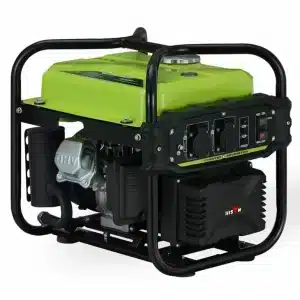
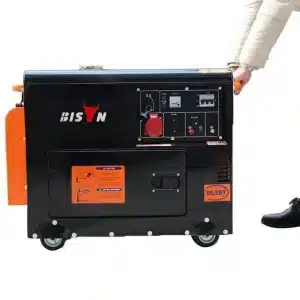
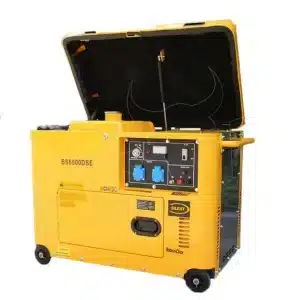
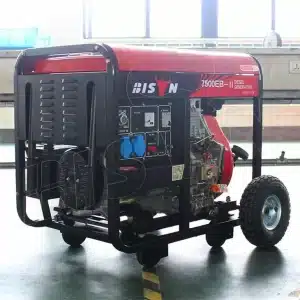
From keeping basic appliances running during storms to supporting industrial operations, generators provide reliability and peace of mind.
However, generators occasionally experience gasoline leaks. Gasoline leaks are more than a hassle — they can cause fires and release toxic fumes. Leaks also harm the environment by polluting the air. Even while operating, a leaking generator leads to downtime, disrupting the power it’s meant to supply.
The upside is that knowing the common reasons why your generator leaks gasoline can help you avoid risks and make your generator last longer. In this guide, BISON covers common causes of gasoline leaks, warning signs to watch for, and how to fix the issue. You’ll learn how to keep your generator safe and running smoothly.
Immediate safety steps for a gasoline leak
Before troubleshooting a fuel leak, secure the generator and surrounding area. Gasoline is highly flammable, and its vapors can ignite from nearby flames, sparks, or hot surfaces.
- Shut down the generator immediately. Do not restart it if you notice dripping fuel, pooling gasoline, or a strong fuel odor. Allow the engine to cool completely before inspecting the leak.
- Eliminate nearby ignition sources. Keep cigarettes, open flames, hot equipment, and anything that could create a spark away from the area. Keep other people and pets at a safe distance.
- Ventilate enclosed areas. If the leak occurs in a garage, workshop, or storage area, open doors or windows where it is safe to do so and allow fuel vapors to disperse.
- Contain spilled gasoline. Use a suitable absorbent material to prevent fuel from reaching drains, soil, electrical components, or hot surfaces.
Once the spill is controlled, the engine has cooled, and fuel vapors have cleared, you can begin identifying the source of the leak.
Safety precautions before servicing
Once the leak is under control and the generator has cooled, take a few precautions before repairing the fuel system.
- Check the BISON owner’s manual for your model first. Fuel system layouts, fasteners, and service procedures vary by model, so follow the manual shipped with your generator before removing any component.
- Prevent accidental starting. Turn the engine off, close the fuel shutoff valve if equipped, and disconnect the spark plug wire before servicing the carburetor, fuel lines, or tank.
- Prepare for residual fuel. Work in a well-ventilated area away from ignition sources, and place an approved fuel-resistant container beneath any line, fitting, or carburetor bowl before opening it.
- Wear appropriate protection. Use safety glasses and fuel-resistant gloves when handling gasoline or removing fuel-system components.
If the repair requires extensive disassembly or the source of the leak remains uncertain, have the generator inspected by a qualified technician.
With these precautions in place, you can inspect the components below and determine which one is causing the leak.
Common reasons why generators leak gasoline
Common reasons why your generator leaks gasoline include wear, lack of maintenance, or outside influences. Below, we’ll look at the main reasons.
Worn float bowl gasket
The float bowl gasket seals the bowl under the carburetor to stop fuel leaks.
- Common problem: Over time, it may harden, crack, or wear out.
- Signs of damage: Fuel may drip under the carburetor, or you might see a wet spot below the generator. A leak specifically at the base of the carburetor typically points to a dried-out or missing float bowl gasket.
- Solution: Inspect the gasket. Replace it if it’s cracked, worn, or hardened. Before installing the new gasket, clean the gasket surfaces on both carburetor halves with carburetor cleaner to ensure a proper seal and prevent future leaks.
Damaged float assembly
The float assembly regulates fuel flow and maintains the gasoline level inside the carburetor.
- Common problem: It can stick, wear out or shift out of position, causing improper fuel flow issues. A sticking or damaged float can expel gasoline from the sides of the carburetor while the generator is running.
- Signs of damage: Fuel might leak or overflow near the carburetor if the float can’t close the fuel valve properly, typically due to debris in the float needle valve area.
- Solution: You should take apart the carburetor to check the float and make adjustments if needed. Clean it or replace it if needed, this fixes fuel regulation.
Fuel line fault
Fuel lines carry gasoline from the tank to the engine.
- Common problems: Heat, age, or vibration can weaken it. Cracks, stiffness, or bad installation often lead to leaks.
- Signs of damage: Cracks, soft spots, brittleness, or fuel dripping along the line. Worn or cracked fuel hoses caused by vibration can also release small, sometimes invisible leaks that are first detected by odor rather than sight.
- Solution: Check lines often. Replace damaged parts with durable, heat-safe fuel lines. A cracked or dried-out fuel line should always be fully replaced rather than patched or repaired. Drain fuel, remove the old line, route the new line, check for kinks, and test for leaks.
Damaged fuel tanks
The fuel tank holds gasoline and can be damaged by frequent use or environmental factors.
- Common problems: Leaks can come from corrosion, cracks or impacts. Fuel tank failures such as weld weakening, corrosion, and punctures typically develop over months or years, allowing time for preventive correction. Overfilling and extreme temperature exposure also contribute to damage.
- Signs of damage: Unexpected fuel loss when generator is not in use.
- Solution: Check the fuel tank regularly for cracks or wear. Small, non-structural cracks may be repaired with a fuel-resistant epoxy rated for gasoline — clean and roughen the surface first, follow the epoxy manufacturer’s instructions exactly, and re-check the repair regularly. If the crack is in a stressed area, is growing, or the tank shows weld failure or impact damage, replace the tank instead of repairing it. When replacing the tank, disconnect both the fuel supply and return lines and the fuel gauge float sender.
Leaking fuel shutoff valve
The fuel shutoff valve, located in-line between the tank and carburetor, controls gasoline flow to the engine.
- Common problems: It can wear out or leak.
- Signs of damage: A leaking fuel shut-off valve or cracked fuel line can cause fuel escape that leads to engine starting or running problems.
- Solution: Inspect valves for damage or looseness. Replace valves if cracks, wear, or malfunction are observed. Make sure valves are tight and installed correctly.
Loose or damaged connections
Vibration and normal generator operation can loosen connectors or fittings and joints.
- Common problems: Loose fittings or damaged connectors can cause leaks during assembly or maintenance.
- Signs of damage: Fuel smells and leaks near connection points.
- Solution: Check all connections, fittings and bolts. Tighten loose ones, replace worn or broken parts, to restore tightness and prevent leaks.
External Environmental Factors
- Common problem: Extreme heat, debris, or rough use can accelerate wear on fuel lines, gaskets, or tanks, which may crack from heat, cold, or impact.
- Signs of damage: Cracks or hardening of hoses and gaskets after exposure to extreme heat or cold; dents or punctures from impacts during transport or rough handling.
- Solution: Keep the generator in a dry, cool spot, use a cover to protect it from debris, wind, and rain, and handle it gently to avoid stressing key parts.
Clogged or faulty fuel cap vent
The fuel cap vent balances tank pressure. A clogged vent can cause pressure buildup and force fuel leaks.
- Signs of damage: Strong fuel smell, spills near the cap, or a whistling sound from tank.
- Solution: Clean the vent on the fuel cap, or replace it if cleaning does not resolve the issue.
Damaged O-rings or seals
O-rings and seals keep fuel from leaking. Over time, they wear out from age or fuel exposure.
- Signs of damage: Fuel leaks at joints, near the carburetor or fuel lines, and a strong gasoline smell.
- Solution: Inspect O-rings and seals during maintenance. Replace any that appear cracked, brittle, or deformed.
Overfilling the tank
Overfilling the tank can cause fuel to overflow. This leads to leaks around the cap or tank. In most cases, overfilling is simple human error during refueling — adding fuel after the tank is full, or filling to the brim on a hot day when the fuel expands. On larger units with an automatic fuel-transfer system, a faulty pump or float switch can also overfill the tank.”
- Signs of damage: Wet spots near the cap or fuel spilling down the generator’s side.
- Solution: Don’t fill the tank to the top, you should leave room for fuel to expand, especially in a hot environment.
Cracked or damaged primer bulb
On generators equipped with a primer bulb, the bulb helps move fuel toward the carburetor during starting.
- Common problems: Age, heat, and repeated use can cause the rubber primer bulb to harden, crack, or lose its seal.
- Signs of damage: Look for visible cracks, fuel around the primer bulb, or a bulb that no longer creates normal suction or pressure when pressed.
- Solution: Replace a cracked or deteriorated primer bulb rather than attempting to patch it with tape, glue, or sealant. Primer bulb designs and mounting methods vary by engine, so use the correct replacement part and follow the manufacturer’s instructions for your generator model. After replacement, check the surrounding connections for leaks before starting the generator.
in conclusion
Knowing why gasoline leaks happen and fixing them keeps your generator running smoothly. Regular maintenance and quick repairs prevent bigger problems, protect against costly fixes and power outages. Additionally, safe storage and use also help protect its sensitive components from damage caused by internal and external environmental factors.
For serious or ongoing issues, call a professional. Some gasoline leaks signal deeper problems needing expert care. Professional assistance ensures your generator is restored to safe working condition and helps extend its overall life.
.png.avif)