.png.avif)
diesel generator components
- By BISON
Table of Contents
A diesel generator is a reliable machine that converts the chemical energy in diesel fuel into electrical energy. It achieves this by combining a diesel engine with an electric generator. These machines are essential in many industries, such as construction, healthcare, business, and residential sectors—especially for backup power during outages and in remote or off-grid locations where access to the main electrical grid is unavailable.
Diesel generators operate by burning diesel fuel to produce mechanical energy through combustion. This mechanical energy then drives the generator to produce electricity. Their efficiency, durability, and ability to provide continuous power make them indispensable in the power generation industry.
These machines consist of several diesel generator components that work together to ensure efficient and consistent electricity generation. In this article, BISON will explore the key components of diesel generators and understand how each part contributes to their overall performance and reliability.

Overview of a diesel generator
A diesel generator is a machine that converts diesel fuel into electrical energy by combining a diesel engine with an alternator. It serves as a reliable source of power for a wide range of applications—from homes and businesses to large industrial facilities—especially during outages or in remote areas without access to the main power grid.
How does a diesel generator work?
Diesel generators operate through an energy conversion process, converting fuel energy into electrical power:
- Combustion process: The engine burns diesel fuel, which mixes with air and ignites under high pressure. This combustion moves the pistons, generating mechanical energy.
- Energy conversion: The mechanical energy is transferred to the alternator. Inside, copper windings and magnetic fields work together to convert mechanical energy into electrical energy through electromagnetic induction.
- Power distribution: The generated electricity is stabilized by a voltage regulator and then directed through the control panel for use. Some generator systems are paired with an automatic transfer switch (ATS), which shifts the power supply from the utility grid to the generator during an outage and back once utility power is restored. Transfer is not instant: the ATS confirms the outage, the generator starts, and the load is transferred only after both voltage and frequency have stabilized — break-before-make switching prevents backfeed into the utility grid.
This process allows diesel generators to deliver steady power for critical facilities, construction sites, and remote operations.
Types of diesel generators
Diesel generators can be classified based on size, application, and cooling method to suit different energy demands:
By size
- Small diesel generators: Compact and portable, these are ideal for homes or small businesses. They can power lights, appliances, or small tools during outages or in remote areas.
- Medium & large diesel generators: Designed for industrial and commercial use, they provide high power output for hospitals, factories, and data centers.
By application
Standby generators: Serve as a backup power source during grid failures. Common in offices, hospitals, and homes.
Prime generators: Act as the main power source in off-grid or remote locations such as construction sites and mining operations.
Portable generators: Lightweight and mobile, ideal for temporary power needs at events, job sites, or outdoor activities like camping.
By cooling method
- Air-cooled generators: Use airflow to cool the engine. Suitable for smaller units due to their simple design. They require less maintenance and no water pumps or hoses, but can overheat with prolonged use.
- Liquid-cooled generators: Use water or coolant to regulate engine temperature. More efficient and used in larger, high-performance generators, circulating coolant through a radiator and water pump to carry heat away, making them more effective for long-term operation, though costlier and more complex to maintain.
Diesel generator components
A diesel generator consists of several essential components, each responsible for a specific function in the power generation process. These parts operate in coordination to ensure smooth performance and consistent electricity output. Understanding these components helps in maintaining the generator and optimizing its efficiency across various applications.
Diesel engine
The diesel engine is one of the most critical diesel generator components, serving as the heart of the generator. It converts the chemical energy of diesel fuel into mechanical energy through compression ignition. This mechanical energy powers the alternator to generate electricity. The engine’s size and capacity directly influence the generator’s power output—larger engines typically deliver more electricity.
On high-performance common-rail units, fuel injection pressures can reach 2,000 bar for precise atomization and emissions control; engines with mechanical injection run at much lower pressures. Electronic governors provide tight frequency control (typically within ±0.25–0.5%), improving load acceptance compared with mechanical governors. When choosing a diesel generator, it’s important to evaluate the engine’s quality and specifications, as they significantly impact performance, efficiency, and reliability.
AC alternator
The AC alternator converts mechanical energy from the diesel engine into electrical energy through electromagnetic induction. As the engine runs, it drives the rotor inside the alternator. This spinning rotor generates a magnetic field, which induces an alternating current (AC) in the stator’s windings.
Built using materials like copper windings, electrical steel, and low-carbon steel, the alternator is designed for durability and efficient energy conversion. The windings are insulated to prevent short circuits, ensuring safe operation. A short-circuit ratio of 1.0–1.2 supports motor-starting capability and fault performance, and a 2/3 winding pitch is commonly used to suppress third (triplen) harmonics — note that fifth-harmonic suppression requires a different pitch (e.g., 4/5) and is not provided by the 2/3 pitch.
Key components of an alternator include:
- Rotor: Rotates to create a magnetic field.
- Stator: Contains the stationary coils where electricity is generated.
- AVR (automatic voltage regulator): senses the output voltage and adjusts the alternator’s excitation current to hold voltage constant — it does not charge the starting battery.
- Exciter and rectifier (on brushless units): the exciter feeds AC to a rotating rectifier, which supplies DC to the rotor field.
- Slip rings, pulley, bearings: support mechanical and electrical operation.
Warning signs like overheating, burning smells, frequent short circuits, or condensation may indicate the need for repair. If the alternator fails, the entire generator system can be compromised.
Fuel system
The fuel delivery system stores and delivers diesel fuel to the engine in precise amounts to support efficient combustion. It typically includes several components — the fuel tank, fuel pump, fuel filters, and injectors — each handling a distinct stage, from storing the fuel to filtering out impurities before it reaches the combustion chamber. Together, these parts ensure a steady and clean fuel supply to keep the engine running smoothly.
The fuel tank holds the diesel fuel and is usually sized according to the generator’s expected runtime, with tank types and safety features varying by application and duration needs. In many silent canopy generators, the tank is integrated into the generator base. For longer unattended operation, a bulk fuel tank can be added; its capacity is specified for your runtime needs and must include overfill protection and code-compliant venting. Where a day tank is used instead, it is generally sized to provide several hours of runtime at full load and includes float-level sensors and emergency shut-off valves triggered by temperature fuses or fire alarms.
Fuel temperature affects performance as well: fuel returned from the injectors can heat the stored fuel, and very hot fuel can reduce engine power. Keep the fuel tank shaded and ventilated in hot climates.
A properly maintained fuel system is essential for reliable generator operation, as clogged filters or faulty pumps can significantly impact performance and fuel efficiency.
Voltage regulator
The voltage regulator is a crucial component that ensures the generator produces a stable and consistent voltage output. It automatically adjusts the generator’s excitation system to maintain constant voltage levels, even when the load fluctuates.
Without a voltage regulator, the generator’s output would vary depending on engine speed and load conditions. By controlling the current sent to the alternator’s rotor, the regulator maintains constant voltage, protecting the generator and connected equipment from damage due to voltage surges or drops.
Cooling system
The cooling system prevents the diesel generator from overheating during operation. As the engine and alternator generate heat, the cooling system circulates coolant—usually water or a coolant mixture—through the engine to absorb and carry away excess heat.
This heat is then transferred through a heat exchanger or radiator, where it is discharged outside the generator. Key components include the radiator, water pump, and thermostat. Cooling circuits typically maintain coolant temperature between 80-95 °C, and extended packages may offer remote radiators or glycol systems for demanding environments. Indoor or high-ambient installations typically require remote radiators or closed-loop heat exchangers instead of the standard set-mounted configuration. By maintaining optimal operating temperatures, the cooling system ensures generator performance and prevents thermal damage.
Exhaust system
The exhaust system directs harmful gases produced during diesel combustion away from the generator and surrounding area. It functions similarly to a vehicle’s exhaust, using a network of pipes to safely expel emissions.
Key components include the exhaust manifold, muffler, and exhaust piping. This system not only removes toxic fumes but also reduces engine noise and helps the generator comply with environmental and safety regulations. Exhaust systems must also direct fumes away from entry points, doorways, and high-traffic areas to prevent harmful chemical exposure. Regular inspection ensures it remains leak-free and effective.
Lubrication system
The lubrication system reduces friction between the moving parts of the diesel engine. It circulates oil to vital components such as pistons, bearings, and the crankshaft, preventing wear and tear.
Lubricating oil performs four distinct functions: forming a protective film, sealing piston rings against the cylinder, dissipating friction heat, and cleaning carbon deposits and debris. The oil film also helps seal the small gaps between piston rings and cylinder walls, supporting consistent engine performance. A properly functioning lubrication system ensures engine longevity and performance. Perform regular oil checks and maintenance to prevent breakdowns.
Battery and battery charger
The battery supplies the initial power to start the diesel generator. It powers the starter motor, which initiates the engine’s combustion process. During a power outage, the battery is the only power source to engage the engine starter. Without a functioning battery, the generator will not start.
To ensure the battery is always ready, many generators include a battery charger that automatically recharges the battery during generator operation. Some standby generators also include a secondary backup battery and a built-in battery charger to maintain charge levels during idle periods. This keeps the battery at full capacity, ensuring reliable startup in emergencies or power outages.
Control panel
The control panel is the central control unit that lets users monitor and manage the diesel generator. It allows users to start or stop the generator and monitors critical parameters such as voltage, current, frequency, and load.
Modern control panels often include automatic or manual operation modes, alarm indicators, and safety features like overload protection and emergency shutoff. Protection functions include shutdowns for high temperature, low oil pressure, over/under-speed, and alternator faults like over-voltage or frequency mismatch. It may also be integrated with an ATS (Automatic Transfer Switch) for seamless power transfer during outages.
Main components of a control panel include:
- Circuit breakers – Protect the generator from overloads and short circuits.
- Current transformers – Scale down high current for monitoring and metering.
- Control module and terminal rail – Handle data processing and wiring connectivity.
Main assembly frame
This is the structural foundation of a diesel generator. It holds all key components—engine, alternator, fuel tank, control panel, and others—securely in place. This frame ensures that everything is correctly aligned and protected during operation. In some designs, the frame also incorporates dedicated vibration-isolation features beyond basic support and shock absorption.
Frames can be open type for easy access and servicing or canopied (enclosed). Some enclosures are further differentiated by function, such as weatherproof or climate-specific variants. For outdoor use, the frame is typically made weatherproof and designed to minimize vibration and mechanical stress, contributing to a longer service life and stable performance. Skid-mounted designs enable optional add-on enclosures for weatherproofing or sound attenuation without altering the core mounting system. Enclosures made from steel or plastic are also used in silent diesel generators to help reduce operating noise.
Conclusion
Now that you’re familiar with the essential components of a diesel generator, you can better appreciate how these systems work together to deliver reliable power.
Understanding these components is essential for proper maintenance, reliable operation, and long-term durability. From the fuel system to the battery, cooling system, alternator, and control panel, each element plays a critical role in ensuring uninterrupted performance.
When selecting a diesel generator, consider power output, fuel efficiency, emissions, and noise levels. Modern diesel generators offer advanced features, including improved fuel management, quieter operation, and smarter control systems that make them more sustainable and user-friendly.
Whether for industrial, commercial, or backup residential use, choosing a high-quality generator tailored to your needs ensures dependable power when it matters most. Take the time to evaluate your options, and invest in a BISON generator that combines durability, efficiency, and trusted performance.
Most Popular Posts
QUESTIONS?
CONTACT US TODAY.
buy?
Related Posts

How to bleed a diesel generator
BISON will tell you through the process of properly bleeding a diesel generator. We will also explain why bleeding is important.

Gasoline vs Diesel Generators: A Comprehensive Comparison
This article aims to help everyone know the difference between gasoline and diesel generators. We will also tell you the pros and cons of each type of generator.
Diesel Generators Maintenance & Daily Use
Home / News / Table of Contents As a Professional Generators Manufacture, Bison understand the importance of having a reliable
Related Products

Portable Small Generator
The BISON BS2000I is a portable and small inverter generator that is perfect for a
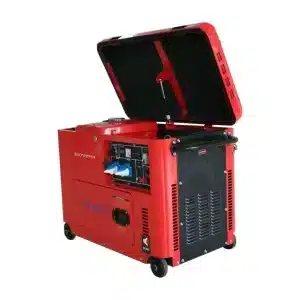
silent diesel generator price for home
BISON adopt three times harmonic excitation technology, making it easy to start. It has strong

super quiet 3000 watt inverter generator
Product Parameter Place of Origin: Zhejiang, China (Mainland) Model Number: BS-S3200IE Output Type: AC Single

super quiet portable inverter generator
BISON BS2500I is a super quiet and portable inverter generator, perfect for a variety of