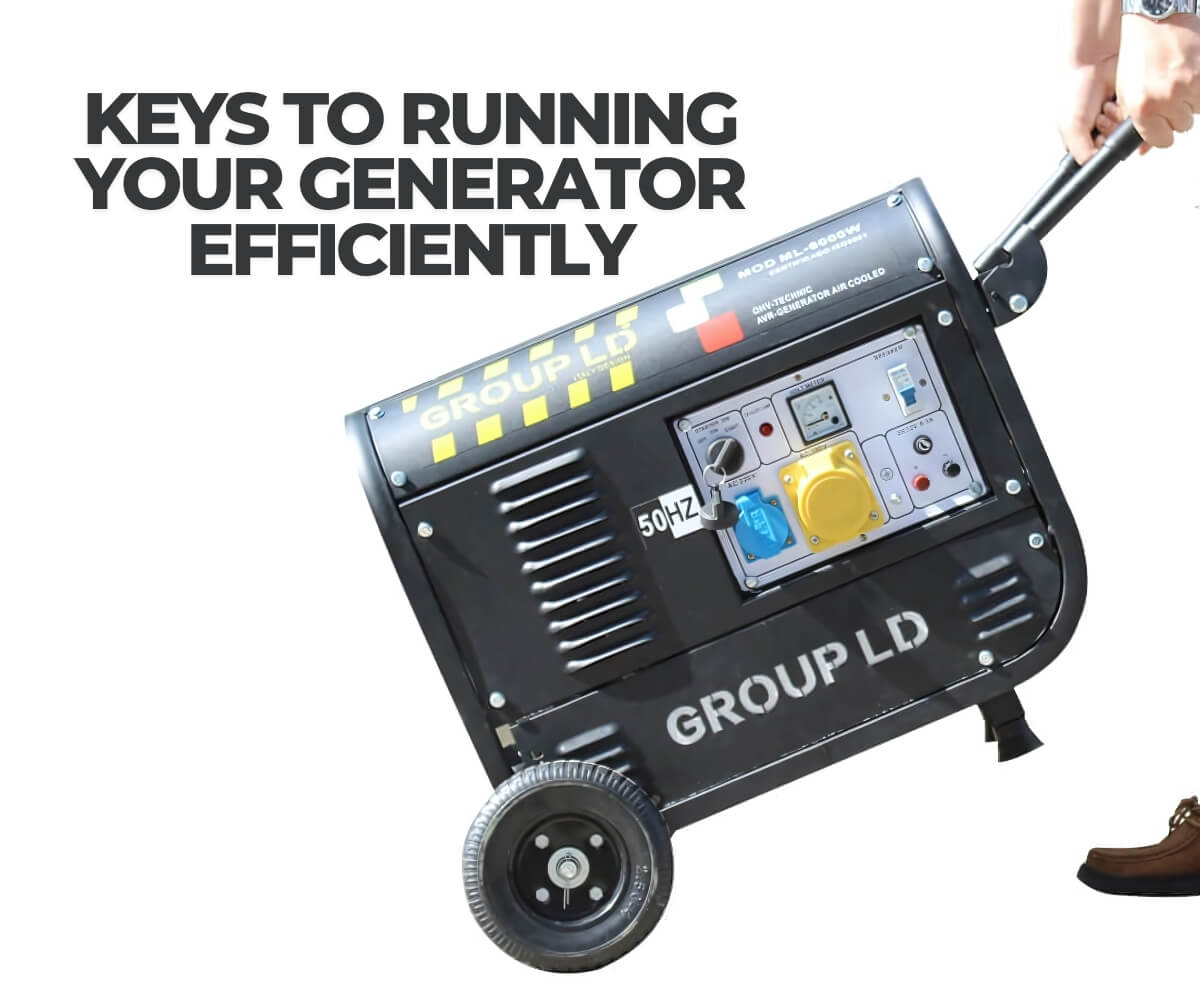
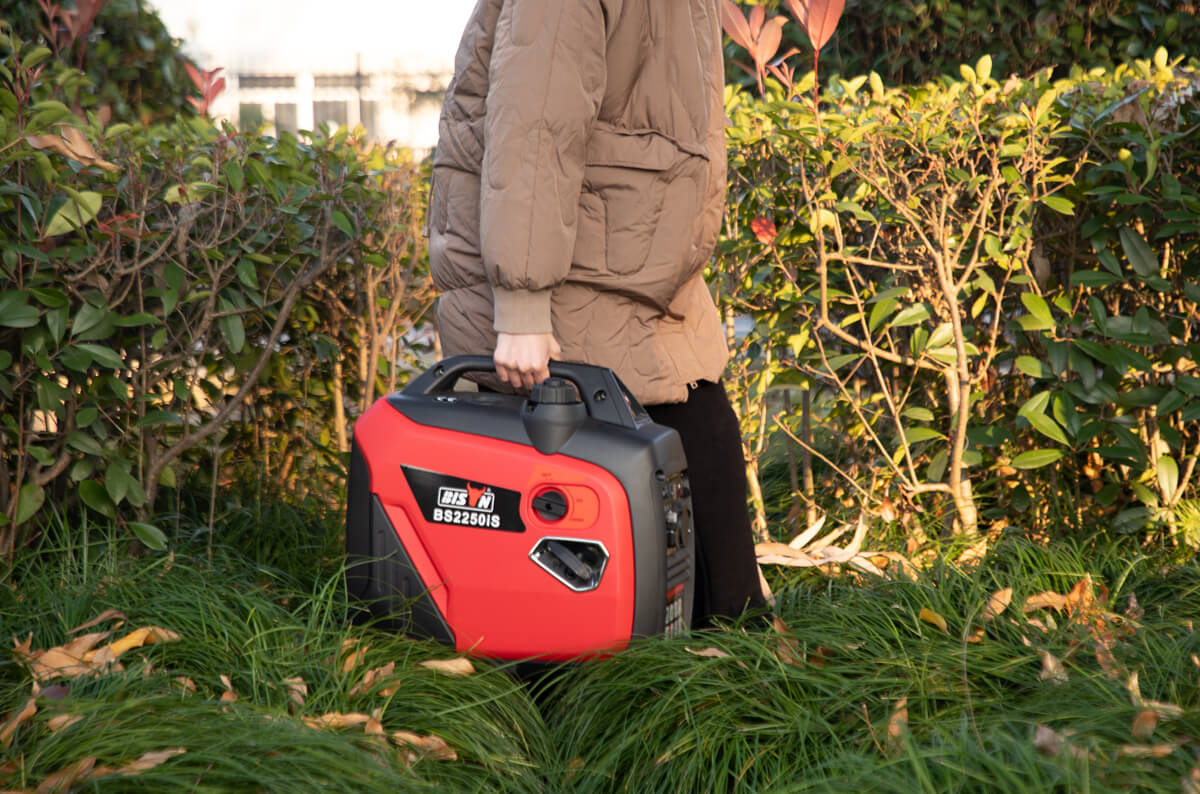
Generators are vital for providing reliable power during outages or in areas with unstable electricity. Whether for home, business, or industrial use, running a generator efficiently ensures lower fuel consumption, fewer breakdowns, and a longer service life.
Following these keys to running your generator efficiently protects your investment, not just your fuel budget. Poor maintenance or consistently operating under low loads can lead to increased wear, higher emissions, fuel waste, and unexpected downtime.
To avoid these issues, it’s essential to follow proper operating practices and a regular maintenance schedule. Even small actions—like maintaining the correct load or keeping filters clean—can make a significant difference in performance and durability.
In this article, BISON will explore practical strategies to boost generator efficiency, helping you enjoy dependable, cost-effective power for years to come.
Maximizing your generator’s performance
Electricity is essential in daily life, making a home generator a smart investment. However, simply owning one isn’t enough—how you use and maintain it plays a major role in its long-term reliability.
By following basic steps—such as managing fuel efficiently, performing regular maintenance, and shutting down the generator properly—you can maximize its performance and lifespan. Keeping spare parts on hand also helps you stay prepared for unexpected situations. Most home generators also benefit from at least one professional tune-up per year, ideally scheduled before hurricane season, to catch issues before they become bigger problems.
Check and change the oil
Oil is essential for keeping the generator engine lubricated and running smoothly. However, it breaks down over time and collects dirt, reducing its effectiveness. Running a generator with low oil can cause severe engine damage, which is why a low-oil shutdown feature is important to have and keep functioning.
How often you should change the oil depends on several factors, including:
- The generator’s brand and model
- How frequently it’s used
- The environment it operates in (dusty, polluted, etc.)
Change oil every 50 hours for smaller generators and every 200 hours for larger units, replacing the filter at the same time. Generators used in harsh conditions may need more frequent changes, while newer models in cleaner environments may need less.
Always use the recommended type of oil specified in your generator’s manual for the best results.
Keep the generator body clean
A generator uses a stator and a rotor to function. If you allow your generator to accumulate too much dirt, the rotor and stator will not be able to produce electricity as efficiently. You’ll also likely burn out both parts faster than expected.
Inspect and clean the air filter
The air filter prevents dirt and debris from entering your generator’s engine. If it becomes clogged, airflow is restricted, forcing the engine to work harder and reducing efficiency. Over time, this can lead to faster wear on internal components.
Check the air filter at least once a week, or more often in dusty environments. If it’s reusable, clean it according to the manual. If it appears worn or too dirty, replace it immediately.
Keeping the air filter clean helps your generator run efficiently and prevents costly damage—ensuring it’s ready when you need it most.
Maintain the spark plug
The spark plug ignites the air-fuel mixture, making it essential for smooth generator operation. Over time, it can become dirty or worn, leading to hard starts or poor performance. Generators equipped with electronic fuel injection achieve cleaner combustion compared to older carbureted designs, helping reduce buildup even further.
Inspect the spark plug after every 100 – 150 hours of use or at least once a year. Make sure the engine is cool before removing it. If the plug is dirty, clean it with a brush; if it’s damaged or excessively worn, replace it. Avoid over-tightening when reinstalling, as this can damage the threads or crack the insulator.
Even if your generator runs normally, replacing the spark plug is a good idea when the air filter also needs replacement—both are signs of general wear. If you’re unsure how to handle spark plug maintenance, consult a qualified technician.
Optimize fuel usage for generators
Fuel is the lifeblood of your generator, and managing it properly is key to efficiency, performance, and long-term reliability. It’s not just about saving money—using the right fuel the right way also reduces wear on the engine and prevents common issues.
High-quality fuel burns cleaner, improving performance and reducing buildup in the engine. Avoid using low-grade or old fuel, which can cause clogs, rough operation, or even engine damage.
Fuel types: pros, cons & storage tips
Gasoline
- Pros: Widely available and ideal for portable generators.
- Cons: Degrades quickly and emits more pollutants. Gasoline begins to degrade within a few months.
- Storage: Use a stabilizer to extend shelf life and store in approved, labeled safety containers in a cool, dry place away from heat and ignition sources like heaters and pilot lights. Non-ethanol fuel is recommended, since ethanol attracts moisture and corrodes metal surfaces and rubber fuel hoses over time.
Diesel
- Pros: Fuel-efficient and durable for heavy-duty use.
- Cons: Louder; may gel in cold weather.
- Storage: Keep in a cool, dry place. Use additives to prevent water contamination and gelling.
Propane
- Pros: Clean burning, longer shelf life, and easier to store than gasoline.
- Cons: Lower energy density; requires a tank and may be harder to find in emergencies. Propane-fueled engines also cause a 15% reduction in output power, which must be factored into generator sizing.
- Storage: Store tanks in a ventilated area away from heat sources.
Natural gas
- Pros: Unlimited supply (when connected to a gas line); great for standby systems.
- Cons: Not portable; may be disrupted during disasters.
- Storage: No need for storage with a direct connection but ensure lines are maintained by professionals.
Run at the right load capacity
Running too low wastes fuel and accelerates wear, while running at full capacity constantly can stress the engine. Operating your generator within the correct load range through proper load calculation and load setting is essential for efficiency and longevity.
To prevent this, avoid running your generator at light loads for extended periods. General load recommendations by generator type:
- Standby or prime generators: Standby and prime powered diesel generators are optimized to run at 50-80% of maximum load.
- Continuous rated generators: Continuous-rated diesel generators are optimized to run at 70-100% of total load.
- Natural gas generators: Natural gas generator sets are likewise optimized to run at 70-100%, depending on the model and application.
Here’s how to manage your generator’s load effectively:
Prioritize essential appliances
Generators can’t power your whole home at once, so focus on critical items first—like:
- Refrigerators or freezers
- Lights
- Heating or cooling systems (in extreme weather)
- Medical equipment
Power only essential appliances to reduce fuel consumption and system stress.
Avoid overloading
Overloading a generator can lead to engine strain, circuit damage, and even fire hazards. To prevent this:
Check the wattage of each appliance you plan to connect. Add the total wattage and confirm it’s below the generator’s rated output—both for running and peak (starting) watts.
For example: If your generator outputs 5,000 watts, and you’re powering a fridge (800W) and a space heater (1,500W), you have 2,700 watts remaining for other appliances.
For added protection, consider installing a transfer switch, which costs $300 to $900 installed for a 5,000-watt or larger generator. A transfer switch lets you power hardwired appliances directly, helping you avoid overload before it happens.
Use energy-efficient appliances
LED lights and modern, low-wattage devices help conserve power and extend run time.
Smart load management
Smart load management means using proper cords, connecting appliances correctly, and monitoring wattage so your generator runs safely, efficiently, and longer.
It’s also worth understanding power factor, which reflects how efficiently the connected equipment uses the electricity your generator supplies; a lower power factor means the generator has to work harder to deliver the same usable power, so keeping loads well-matched and avoiding excessive reactive loads helps the generator run cooler, more efficiently, and with less wear over time.
Check fuel lines regularly
Over time, generator fuel lines can crack or clog, restricting fuel flow and affecting performance. Inspect them periodically for wear or blockage. Replacing damaged lines is usually simple and inexpensive, making it a smart preventive measure to avoid startup issues or inefficiency.
Run the generator regularly
Run your generator for about 30 minutes on a no-load or light-load basis, ideally weekly but at least monthly, to keep internal components lubricated and ensure it’s ready when needed. Do this in a well-ventilated area with a light load, such as a single appliance, to maintain optimal performance and catch potential issues early, and put the unit under full load at least once a quarter to confirm it can handle real demand.
Conclusion
Proper maintenance is the key to keeping your generator dependable and efficient. With regular care and smart fuel management, you can extend its lifespan, reduce the risk of failure, and ensure it performs during critical times.
Staying proactive also helps lower fuel and repair costs while maintaining safe operation. Always follow usage guidelines to protect both your equipment and your surroundings.
At BISON, we provide durable, high-performance generators built for lasting reliability. Whether for home, business, or industrial needs, we deliver the power solution that keeps your operations running smoothly.
Visit our website or contact us today—power your future with BISON.
.png.avif)