.png.avif)
running a generator at a high altitude
- By BISON
Table of Contents
Generators are vital for maintaining power in businesses, homes, and outdoor operations. While most users focus on specifications like engine size, output, and fuel efficiency, one often-overlooked factor is how altitude affects generator performance.
At higher elevations, the air is thinner and contains less oxygen. This reduces combustion efficiency, lowers power output, and can impact fuel economy and cooling. Rapid temperature changes common at high altitudes also add stress to the system. These combined challenges can reduce generator reliability if not properly addressed.
Although most generators perform well below 1,000 meters (3,280 ft) above sea level, power loss becomes noticeable above this threshold — typically 3–4% per 1,000 feet (305 m) of elevation gained. Exact derating varies by engine type and fuel; see the approximate power-loss table below for elevation-specific figures. Whether you’re powering a remote mountain cabin or taking your inverter generator on an RV trip, it’s important to understand how altitude impacts performance and what adjustments may be needed.
In this article, BISON will explain how altitude affects generators, how much power loss to expect at different elevations, and the steps you can take to keep your generator running efficiently in high-altitude environments. With the right knowledge, you can ensure reliable power wherever your journey takes you.

How high altitude affects generator performance?
Oxygen and combustion efficiency
All generators rely on internal combustion, which requires oxygen to burn fuel efficiently. As altitude increases, air becomes thinner and contains fewer oxygen molecules, making combustion less effective. While the percentage of oxygen in the air remains at about 21%, the reduced atmospheric pressure means there’s less oxygen per cubic foot.
In fact, atmospheric engines can begin losing power at elevations above 1,000 meters, since insufficient air pressure reaches the cylinders well before extreme altitudes are reached. For example, at 5,000 feet the pressure drops to around 12.2 psi from 14.7 psi at sea level, and to 10.2 psi at 10,000 feet.
Engines designed for sea-level operation draw in the same volume of air, but with less oxygen, leading to a rich air-fuel mixture—too much fuel, not enough oxygen. This effect compounds with temperature: air density falls further as temperatures rise, so both gaining altitude and running in hotter conditions push combustion efficiency in the same direction.
Effects of a rich fuel mixture
When a generator runs “rich” at high altitude, it causes multiple performance problems:
- Reduced efficiency: Less oxygen means incomplete fuel combustion, lowering energy output.
- Poor fuel economy: More fuel is used per kilowatt-hour, increasing operating costs.
- Higher emissions: Incomplete combustion produces more carbon monoxide (CO), which is toxic and dangerous in enclosed or poorly ventilated spaces.
- Engine fouling: Unburned fuel can cause carbon buildup on spark plugs, valves, and other parts, leading to misfires or long-term damage.
Hard Starting: Generators may require more cranking to start, especially in cold, high-altitude environments. - Rough operation: Without adjustments, engines may run unevenly, potentially harming sensitive electronics connected to the generator.
Cooling and overheating risks
Thinner air also affects cooling. Air-cooled generators rely on air density to carry heat away. At high altitudes, lower air density reduces heat dissipation, increasing the risk of overheating—even in cooler climates. Most generators are designed for an ambient operating temperature range of roughly 5°C to 40°C (41°F to 104°F), which becomes harder to maintain as thin air limits cooling capacity.
Water-cooled systems may perform better in these conditions due to more effective heat transfer. Managing intake air temperature can help offset some of these losses. Positioning the generator away from heat sources and ensuring unobstructed airflow around the cooling fins keeps intake temperatures lower and helps preserve output in hot, high-altitude conditions.
Carbon monoxide and ventilation
Incomplete combustion at high altitudes increases CO emissions, making proper ventilation essential. Always run generators in open areas with plenty of airflow. For enclosed locations like cabins or tents, ensure there’s clearance around the unit and install carbon monoxide detectors for safety.
Solutions for improving generator performance at high altitude
Adjusting carburetor settings
At high altitudes, adjusting the carburetor is one of the most effective ways to maintain generator performance. Because the air is thinner, standard fuel settings result in a rich air-fuel mixture, which reduces efficiency. Rejetting the carburetor—or adjusting the fuel jets—helps restore the proper balance by matching the fuel injection rate to the air density at a given altitude, though it does not eliminate the inherent power loss that comes with elevation.
Many generator manufacturers offer high-altitude jet kits designed specifically for use at elevation. A typical kit contains a carburetor jet, a bolt gasket, and a bowl gasket that together adjust the fuel-air mixture for lower air pressure. These kits are generally rated for two altitude bands: 3000-6000 feet (914-1828m) and 6000-8000 feet (1828-2438m). The smaller jets reduce the amount of fuel mixed with air, helping maintain a more efficient combustion process.
Some generators allow manual carburetor tuning via screws that control fuel flow. By “leaning out” the mixture—reducing the fuel supply relative to air—you can optimize combustion and restore some power output. However, manually increasing fuel delivery without proper, approved calibration can cause smoke, incomplete combustion, and engine damage, so any adjustment should move toward leaner, not richer, mixtures.
Not all manufacturers offer high-altitude kits, and rejetting a generator without using the manufacturer’s official altitude kit may void the equipment warranty or cause safety issues. Even properly calibrated high-altitude kits typically recover only a modest portion of the lost power, not a full restoration to sea-level output. Always:
- Refer to your generator’s manual for altitude-specific instructions.
- Contact the manufacturer to confirm whether rejetting is supported.
- Avoid using jets designed for low altitudes at high elevations, as this can lead to engine damage or hazardous operation.
Understanding and planning for derating
Generators are typically designed and rated for sea-level performance, with standard air pressure, temperature, and oxygen density assumed in the nameplate output. No altitude compensation is factored in, so actual output falls as elevation rises. Anticipating this gap helps you choose the right equipment and set realistic expectations for available power at altitude.
What is altitude derating?
When conditions change—such as operating at elevation—the generator’s actual output falls below its rated capacity. This phenomenon is known as derating. The U.S. Energy Information Administration defines derate as a temporary decrease in generator capacity due to system changes, equipment modification, operational differences, or environmental factors.
Approximate power loss by elevation:
- 3,000 ft (914 m): 9-12% loss
- 5,000 ft (1,524 m): 15-20% loss
- 8,000 ft (2,438 m): 24-32% loss
- 10,000 ft (3,048 m): 30-40% loss
Different engines respond differently. For example:
- BISON gasoline generators derate by 3.5% per 1,000′ over 3,000′.
- BISON diesel generators lose 3.5% per 1,000′ over 500′, plus 1% for every 10°F above 85°F.
To put this in real terms: a 4000-watt generator running at 6,500 ft elevation loses about 780 watts due to roughly 19.5% derating, leaving only about 3,220 usable watts. On a larger scale, a 100 kW diesel generator operating at 5,000 feet altitude can drop to roughly 85-90 kW of output. Size generators with reserve capacity to cover expected loss at operating elevation.
Proper generator sizing for high elevation
To maintain reliable power at altitude, always oversize your generator to account for power loss. How to calculate?
- List all devices – Total the wattage of all equipment to be used simultaneously.
- Add starting loads – Account for appliances that draw more power at startup.
- Apply Altitude Derating – Add 3–4% power buffer per 1,000 feet elevation.
Practical examples:
- 5,000 ft: Need 3,000W → Choose at least a 3,600W generator (20% more)
- 8,000 ft: Need 3,000W → Choose at least a 3,900W generator (30% more)
- 10,000+ ft: Need 3,000W → Choose at least a 4,200W generator (40% more)
Generator selection by elevation
- 3,000-5,000 ft: Standard generators with altitude adjustment; routine maintenance is usually sufficient.
- 5,000-8,000 ft: Use EFI systems or high-altitude kits; increase generator size by 20–25%.
- 8,000-10,000 ft: Use high-altitude or EFI-equipped generators; increase size by 30–35%.
- Above 10,000 ft: Use only EFI or diesel models rated for high elevation; increase size by 40%+ and schedule more frequent maintenance.
However, sometimes the combined effects of high temperature and altitude can cause a significant drop in power, usually requiring an increase of more than 50% above the standard power, rather than simply increasing the standard power.
Alternator temperature derating standards
Altitude derating addresses how thin air affects engine combustion, but the alternator itself faces a separate, temperature-driven limitation. As ambient air heats up, the windings in the alternator retain more heat, and the unit’s cooling components have to work harder to keep internal temperatures within a safe operating range. This is independent of elevation, though the two often compound each other since high-altitude sites frequently see wide daytime temperature swings and strong solar heating.
Most alternators are designed to deliver their full rated output up to an ambient temperature of around 40°C (104°F). Output must be reduced (derated) as temperatures climb further — by about 3% for every 10°C above 40°C plus about 2% for every 500 m above 1,000 m of elevation.
Best generator types for high-altitude performance
Electronic fuel injection (EFI) generators
- Top choice for high elevations: Automatically adjust fuel-air mix for optimal combustion.
- Altitude compensation: Built-in sensors and controls maintain consistent output without manual tuning.
- Reliable starts: Perform better in cold and thin air conditions.
- Higher cost, higher value: More expensive upfront but ideal for frequent altitude changes and improved efficiency.
Inverter generators
- Clean power: Produce stable electricity, safe for sensitive electronics.
- Fuel efficient: Extend run time—useful in remote areas with limited fuel access.
- Portable options: Available in lightweight models for camping or larger sizes for cabins.
Diesel generators
- Naturally altitude-friendly: Handle elevation better due to higher compression ratios.
- Built for continuous use: Ideal for long-duration operation in mountain environments.
- Long lifespan: Durable and dependable in harsh conditions.
Propane/dual-fuel generators
- Clean burning: Propane generally burns cleaner than gasoline, potentially reducing carbon buildup issues.
- Stable storage: Propane doesn’t degrade over time, ideal for long-term storage.
- Fuel flexibility: Dual-fuel models offer backup options if one type is unavailable.
- Altitude performance: At higher elevations, liquid propane units typically see a lower derate factor, losing roughly 2% to 3% of output depending on elevation, making propane a steadier choice than natural gas when running equipment well above sea level.
Maintenance requirements for generators at high altitude
Operating generators at high elevations puts extra strain on the engine, making proactive maintenance essential:
- Clean air filters frequently: Thin air and more airborne dust at altitude can clog filters faster, reducing oxygen intake.
- Monitor Oil and fuel filters: Check and replace them regularly to prevent performance issues from poor fuel combustion or dirty oil. Use synthetic oils with good cold-flow and temperature stability, and shorten oil analysis intervals to every 250 hours instead of the standard 500-hour interval to catch contamination or wear trends earlier.
- Accelerated service intervals: Reduce all maintenance intervals by 25-30% above 5,000 feet. For example, replace oil every 70-75 hours instead of 100.
- Commissioning and startup checks: Before putting a unit into regular service at elevation, run a load test to 80% of derated capacity while monitoring exhaust, coolant, and oil temperatures for stability, ensuring the generator holds steady readings under load before full deployment.
- Frequent checkups: Frequent checkups help prevent breakdowns and extend the generator’s life. Before each high-altitude season, inspect the fuel system, air intake, exhaust, and electrical components. After use in high-altitude environments, inspect for carbon buildup or abnormal wear even if maintenance isn’t due.
- Fuel system maintenance: Use fuel stabilizers to prevent degradation and deposits. Clean the carburetor more often due to incomplete combustion. Replace fuel filters more frequently (50-75% of normal interval).
- Air intake system: Check and clean/replace air filters before each use. Periodically clean the air box to maintain airflow. Ensure there are no obstructions at the air inlet.
- Ignition system: Replace spark plugs more often due to increased fouling. Use spark plugs one heat range hotter above 8,000 feet. Adjust ignition timing if supported by your generator.
- Protect your generator: Shield it from extreme weather and temperature fluctuations common in mountainous areas. Keep batteries fully charged and use batteries with a higher CCA rating. Use an insulating battery blanket in extremely cold weather to ensure smooth starting. Use high-quality, high-volatility fuel and add stabilizer to prevent fuel degradation. Use a well-ventilated shelter to prevent snow accumulation and maintain air circulation. Run the generator regularly to allow it to reach optimal operating temperature and remove moisture.
- Regular maintenance ensures reliable performance and protects your investment—especially when powering essential equipment in remote, high-altitude locations.
Conclusion
Operating generators at high altitudes presents unique challenges due to reduced oxygen levels, which affect combustion, power output, and maintenance needs. To ensure reliable performance, confirm your generator is altitude-ready, make necessary adjustments, and bring spare parts and tools for quick fixes.
Start by reviewing your generator’s manual, especially the altitude-related recommendations. Follow an accelerated maintenance schedule and track performance trends with a service log.
With proper planning and equipment, dependable power is achievable even in the most demanding high-altitude environments. From remote cabins to elevated work sites, generators can continue to power comfort, productivity, and safety.
As a professional generator manufacturer, BISON engineers its products with altitude-adaptive technologies — including EFI systems and high-altitude jet kits — to meet these challenges. For personalized support or help choosing the right model, contact our technical team—we’re here to help you power up with confidence, wherever you go.
FAQs
What other environmental factors affect generator performance?
In addition to altitude, temperature and humidity can significantly impact generator efficiency. High temperatures reduce air density, leading to combustion issues similar to those caused by elevation. Excessive humidity introduces more water vapor into the air, which displaces oxygen and results in poorer combustion performance.
How do you adjust a generator for elevation?
Adjusting for elevation typically involves modifying the carburetor’s fuel-to-air ratio—commonly referred to as rejetting. This ensures the engine receives the correct mixture for the thinner air at higher altitudes. Some manufacturers offer specific elevation kits, while in other cases, you may need to use aftermarket solutions or consult a technician for manual adjustments.
Most Popular Posts
QUESTIONS?
CONTACT US TODAY.
buy?
Related Posts
Are Chinese generators any good?
This guide examines the real performance, quality benchmarks, and supplier selection criteria that matter most to importers and resellers

How do I import a generator from China?
A step-by-step import guide written by BISON. Covers supplier vetting, certifications, shipping costs, customs clearance, and how to avoid the most costly mistakes.

air-cooled vs. liquid-cooled generators
Air-cooled vs. liquid-cooled generators: Discover which system provides better cooling, performance, and reliability for your home or business.

How do you clean generator fuel injectors
BISON will guide you through three effective ways to clean generator injectors, so you can restore performance and keep your generator running at its best.
Related Products
portable generators: backup power at a lower cost
PRODUCT DESCRIPTION BISON portable diesel generators are lightweight and easy to move, making them ideal
portable for home use diesel generator machine
PRODUCT INTRODUCTION BISON portable diesel generators are the perfect choice for home users and dealers
mini generator 500watt portable inverter power generator
Smallest portable generators– Bison 500watt Portable Power Mini Inverter Generator – Product Parameter Place of
small portable gasoline inverter generator
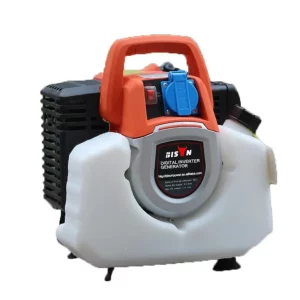
Using 100% copper wire alternator, the small portable gasoline generator is in compliance with CE